If you've ever found yourself at a party or event, heels on and barely able to stand still without discomfort setting in, you're not alone. Many people wonder, why does standing in heels hurt more than walking? Understanding this common but frustrating experience means diving into the biomechanics behind heel wear, the unique stresses when you're upright versus on the move, and how subtle foot and calf mechanics contribute to "party feet pain."
Along the way, we'll spotlight some practical tools—like rolling a tennis ball and using a chilled water bottle—to soothe those aching feet after a big night on heels. Plus, we'll mention helpful products such as the Joy Organics 1000mg CBD Cream, which some users find beneficial for topical relief.
Standing Still in Heels Pain: The 'Why' Behind the Ache
Before we jump into solutions or remedies, it’s important to explore why standing still in heels can be more painful than walking. Many assume walking in heels is tougher, but standing still actually places distinct and sustained pressure on your feet—and that’s the root cause of much of the discomfort.
The Role of Forefoot Load in Heel Pain
When you wear heels, your body weight shifts forward onto the forefoot. Unlike flat shoes where weight distributes more evenly across the sole, heels elevate your heel bone, effectively increasing the pressure on the ball of your foot—specifically on your metatarsal heads. This is what we call forefoot load heels.
Imagine standing still as you’re holding a heavy shopping bag: the longer you hold it without moving, the more strain your arms feel. Similarly, standing still in heels stacks persistent weight on your forefoot without the movement relief walking provides. This constant load can inflame soft tissues and cause sharpened pain known as metatarsalgia.
Toe Box Compression and Nerve Irritation
Another culprit: the dreaded toe box squeeze. Many fashion heels—from stilettos to pumps—have snug toe boxes designed more for style than comfort. When toes are tightly packed, nerves running near the toes—like the digital nerves—can get irritated, causing tingling, numbness, or burning sensations, especially when https://bizzmarkblog.com/how-many-times-should-i-repeat-the-calf-stretch-the-next-day/ standing without shifting your feet around for relief.
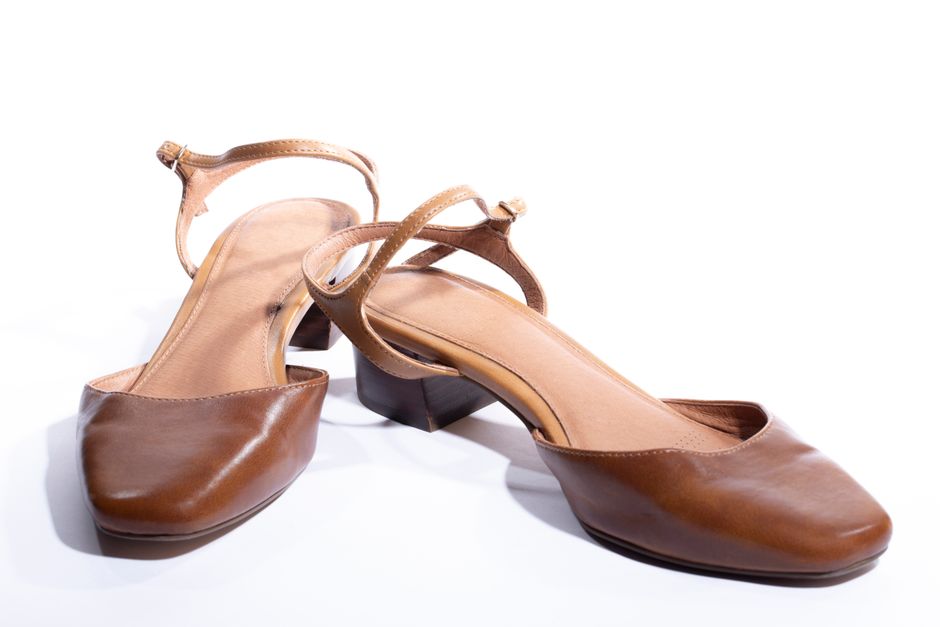
This nerve irritation is heightened in static positions because your foot doesn’t get to reposition or flex, further compounding party feet pain.
Calf Shortening and Reduced Ankle Range of Motion
Wearing heels forces your calves into a shortened position. Over time, this can reduce ankle dorsiflexion—the the ability to flex your foot upward. The less your ankle can flex, the more your forefoot bears the brunt of your weight, especially when standing still.
This calf shortening also contributes to stiffness and an uncomfortable “wobble” when you finally try to stand upright at the door or from the back of the car after a night out. It’s this exact sensation that led me to keep a tennis ball in my drawer to roll out the soleus and plantar fascia post-event—a simple, effective self-care habit for any heel wearer.
Posture Changes and Lower Back Stiffness
Finally, heels alter your posture. The elevated heel shifts your center of gravity forward, typically causing your spine to compensate by leaning backward. When you stand still, these adjustments cause your back muscles to engage longer and more intensely to maintain balance, leading to lower back stiffness and discomfort. The pain may sometimes radiate downward, creating a loop of tension.
Practical Strategies to Reduce Standing Still Heel Pain
Understanding these mechanics is step one, but you don’t need to endure the pain silently. Here are trusted tips and tricks—based on over a decade fitting heels and ongoing collaboration with physical therapists—to help manage standing pain in heels.

1. Choose Heels with a Roomy Toe Box
When shopping for heels, prioritize options with a wider toe box to reduce compression and nerve irritation. One client recently told me made a mistake that cost them thousands.. You might sacrifice a bit of sleek style, but your party feet will thank you.
2. Limit Static Standing Time
If you find yourself trapped at a standing-only event or cocktail hour, intersperse moments of walking or gentle foot shifts. Moving allows your foot to redistribute pressure and reduces persistent forefoot soleus stretch bent knee load.
3. Use a Tennis Ball for Foot Rolling
After wearing heels, roll a tennis ball under your foot to massage the arch and plantar fascia. This improves circulation, breaks up foot tension, and combats inflammation. Keep one at your desk or in your bedside drawer—a little rolling goes a long way.
4. Cool the Feet with a Chilled Water Bottle
Sore forefeet respond well to cold therapy. Place a chilled water bottle in the freezer and roll your foot over it for 5-10 minutes. The cold constricts inflamed blood vessels and soothes pain.
5. Stretch the Calf and Soleus Muscles
Correct calf stretches—especially those targeting the soleus muscle—are vital. Don’t just stretch your gastrocnemius (the larger outer calf muscle); the soleus lies underneath and is crucial for ankle flexibility.
6. Try Topical Recovery Aids Like Joy Organics 1000mg CBD Cream
For post-event recovery, topical creams enriched with cannabidiol (CBD) have become popular. Joy Organics 1000mg CBD Cream, in particular, offers anti-inflammatory and soothing effects when rubbed onto tired feet and calves. Its precise potency gives users confidence, unlike vague wellness claims that often plague the wellness market.
- Apply after removing shoes for focused relief. Massage deeply into forefoot and Achilles areas. Use consistently after long heel-wearing sessions for best results.
Summary Table: Standing Still Pain vs. Walking in Heels
Aspect Standing Still in Heels Walking in Heels Weight Distribution Sustained forefoot load with no pressure relief. Intermittent pressure shifts allowing redistribution. Toe Box Effect Constant compression, increasing nerve irritation. Toes can flex and move, reducing sharp discomfort. Calf Muscle State Maintained shortening; reduced ankle dorsiflexion. Some calf activation and ankle mobility preserved. Postural Load Higher muscular engagement, leading to stiffness. Dynamic balance with less continuous muscle fatigue. Subjective Pain Sharp, burning forefoot pain and foot fatigue. Transient discomfort, generally more tolerable.Final Thoughts
Standing still in heels hurts more than walking because of the constant forefoot load, toe box compression, calf shortening, and posture changes that uniquely challenge your feet and body when stationary. Getting the why behind this pain empowers you to make informed footwear choices and adopt simple recovery strategies—such as using a tennis ball or chilled water bottle, and even Joy Organics 1000mg CBD Cream—to ease the aches of high-heel wear.
So next time you’re preparing for an evening out, think beyond the shoe aesthetics. Consider your foot health and comfort just as seriously. After all, the goal is not only to look good but to feel great from car-to-door and all night long.