If you’ve ever been deep into a video game and felt perplexed by the audio mix, you’re not alone. Often, it seems like the game’s sound design is consistently getting louder, yet paradoxically, the overall impact or “punch” of the audio feels diminished. This phenomenon puzzles many players and even some audio enthusiasts. Behind this apparent contradiction lie complex factors such as dynamic range, contrast, overcompression, and the unique challenges of interactive audio.
In this article, we'll break down why this happens, focusing especially on the distinctions between interactive versus linear composition, loop design that avoids listener fatigue, micro-cues and UI feedback, and why casino slot games are notorious as dense audio environments. We'll also highlight how tools like MrQ leverage smart audio design principles to manage these challenges.
Understanding Dynamic Range and Contrast in Game Audio
Dynamic range describes the difference between the quietest and loudest sounds in a piece of audio content. It’s a vital aspect of sound design, influencing how “alive” and “engaging” audio feels. Contrast refers to the ebb and flow — the rises and falls in louder and softer elements — which create emotional tension and Visit website release.
In many cinematic or music productions, wide dynamic range and well-crafted contrast are key to making sound feel impactful. However, in games, especially interactive environments, this balance is much harder to maintain.
Why High Dynamic Range is Difficult in Games
- Player Control & Environment Interactivity: In games, sound elements respond dynamically to player actions and environmental changes, meaning audio is rarely a fixed, scripted sequence. This variability forces sound designers to accommodate a wide range of possible volumes and intensities, often leading to a narrower dynamic range for reliability. Audio Clarity Across Devices: Gamers use various playback setups — from high-end headsets to laptop speakers and even smartphone speakers. Overly subtle dynamic changes may be lost on lower-end systems, prompting designers to raise overall volume and compress dynamic range for clarity. Listening Context: Games usually demand sustained attention with repetitive audio loops or continuous sound effects. This scenario invites audio fatigue if dynamic range isn’t managed carefully, hence designers often choose to compress dynamics to reduce listener exhaustion.
Interactive vs Linear Composition: The Core Challenge
Traditional linear composition — like in movies or albums — allows composers to control each moment’s emotional and sonic weight with precision. In contrast, interactive game soundtracks must adapt on-the-fly, matching player actions, game state changes, and spatial positioning.
This interactivity means the emotional storytelling or impact of a sound doesn’t follow a fixed path. Instead, it branches, loops, or layers dynamically. To keep the audio cohesive, sound designers often compress or limit extremes in volume and intensity to prevent jarring transitions or masking important audio cues.
Designing Loops That Avoid Fatigue
Because much game music relies on loops that repeat for potentially long stretches, loop design becomes critical. If these loops are too loud, too dense, or lack contrast, players quickly tune out or feel exhausted.
- Subtle Variations: Loop segments can include subtle variations in instrumentation or dynamics to keep ears interested without increasing loudness. Frequency Distribution: Careful EQ to avoid frequency buildup (muddy or harsh frequencies) helps maintain clarity without increasing volume. Dynamic Automation: Gentle volume changes can simulate natural breathing or swelling, providing micro-contrast to keep soundscapes engaging.
These techniques reduce the need to crank overall levels and help maintain a fresh-feeling mix throughout gameplay.
Micro-Cues and UI Feedback: Small Sounds, Big Impact
A challenging aspect of game audio is layering micro-cues — subtle sound elements triggered by user interface actions, player movements, or ambient environmental interactions. These sounds provide critical feedback that reassures and informs the player, enhancing immersion.
Because micro-cues often need to be heard clearly without overwhelming the full mix, they must be carefully balanced:
- Volume Envelopes: Micro-cues typically stay at moderate volume levels and respond dynamically if the player repeats actions fast. Frequency Separation: They are mixed to occupy “open space” frequencies, avoiding masking bigger sound elements. Minimal Compression: Unlike major sound effects or music, micro-cues stay less compressed to preserve detail and transient sharpness.
When everything in a game is made louder to be “heard,” these micro-cues can be drowned out or feel weaker despite volume pumps. Effective audio design involves preserving contrast so they cut through.
Casino Slots: The Art of Dense Audio Environments
Few game genres demonstrate loud-but-weak sounding audio like casino slot games. These are some of the densest audio environments in gaming, filled with overlapping sound effects, celebratory jingles, voice samples, spinning wheels, and UI indicators.
Slot games must keep player excitement up for long time periods, so they use:

- Constant Audio Activity: No silent moments to prevent boredom, meaning the audio is almost always “on.” High Compression: Compressors and limiters force sound level consistency so nothing gets lost but also flatten dynamics. Layered Sounds: Multiple layers fight for the same sonic space, making individual elements less distinct.
This densification makes the entire audio sound loud but ironically less emotionally engaging or impactful — because the dynamic contrast is heavily reduced and everything competes rather than complements.
How MrQ Uses Smart Audio Design to Combat This
MrQ (mrq.com) is an example of an online casino platform that pays close attention to sound design challenges. By integrating smart audio tools and frameworks, they manage dynamic range and layering so that casino sounds stay exciting without causing listener fatigue.
Key strategies include:
- Implementing adaptive audio that responds to player actions — allowing moments of relative quiet between big wins or bonuses. Using subtle sidechain compression and frequency carving to keep micro-cues like button clicks audible amid rich background loops. Careful loop design that shifts textures rather than volume to sustain player interest over extended sessions. Testing mixes across multiple playback devices for consistent clarity.
Why Overcompression Can Make Audio Feel Weaker, Despite Loudness
Overcompression — squashing the audio’s dynamic range too much — flattens the natural peaks and troughs that give sounds character and energy. While it may raise the average loudness to a safer audible level, it also removes the contrast that https://highstylife.com/how-do-you-make-sure-sound-cues-have-a-visual-counterpart/ our ears instinctively interpret as “power.”
This is why a heavily compressed game mix can sound loud on paper (or meters) but emotionally uninspiring or “flat.” The sound lacks depth, and transients that give punch to percussion or emotion to music are dulled.
Judicious use of compression, combined with smart automation and layering, preserves dynamics while maintaining intelligibility and loudness. This fine balance is tricky in games but essential for immersive sound.
Summary: The Balancing Act of Game Audio
To recap, the reason why everything in games often feels louder but weaker boils down to a few core themes:
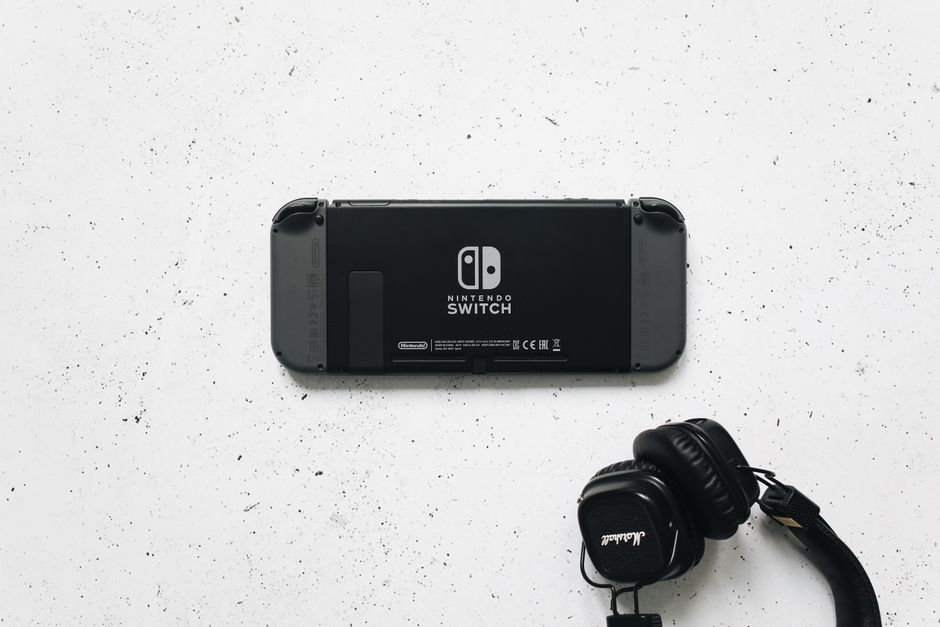
- Interactive composition requires compressed dynamics and seamless looping, often at the expense of contrast and impact. Loop design aims to reduce player fatigue by avoiding loudness spikes and maintaining subtle variations. Micro-cues and UI sounds need to be carefully balanced so they aren’t lost, which clashes with the tendency to raise overall loudness. Dense audio environments, such as casino slots, demonstrate aggressive compression and layering that flatten dynamic range while making sound feel incessantly loud. Overcompression in pursuit of loudness impairs emotional “punch” and musicality.
Brands like MrQ show that with deliberate strategies around adaptive audio, frequency management, and loop variation, sound designers can create game audio environments that feel both loud and compelling — avoiding the trap of sounding “loud but weak.”