Luxury used to announce itself through occasion: the evening bag, the special-occasion shoe, the bottle brought out for guests. Increasingly, it shows up in the things people use every day—a well-made layer, a comfortable home, a supplement chosen with care. Fashion and wellness have moved closer together, and their shared language often includes words like “clean,” “calming” and “high quality.” Those words may sound reassuring. On their own, they are not proof.
That is why third-party lab testing CBD matters. An independent laboratory can test a hemp-derived product and report what it contains, including measured cannabinoid levels and, depending on the lab panel, potential contaminants. The result is a document consumers can examine rather than a promise they have to take on faith. In a market where labels and wellness branding can look polished, that distinction is important.
Think of testing as the difference between a logo and a care label. A logo communicates identity. A care label gives you specifics about what the garment is made of and how to look after it. For CBD, a certificate of analysis—often shortened to COA—is one of the most useful trust markers for hemp. It does not make a product right for everyone, and it is not a guarantee of a health outcome. It does offer evidence about a particular sample.
Why the CBD label is not the whole story
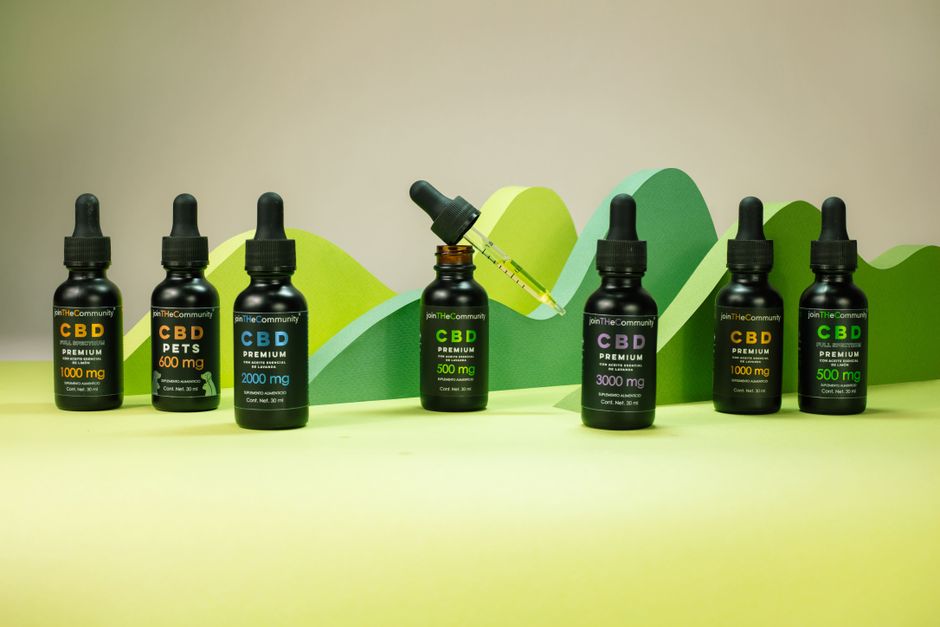
Hemp-derived CBD products can include oils, capsules, gummies, lotions and other formats. Their packaging may describe a product as full-spectrum, broad-spectrum or CBD isolate. Those terms suggest different cannabinoid profiles, but the words printed on a label do not independently verify that the product matches the description.
Testing helps answer a more practical question: does the tested sample contain the compounds and amounts the company says it does? It may also show whether certain contaminants were detected. The details depend on the product, the laboratory, the methods used and the scope of the test. A COA is useful only when you can connect it to the product in your hand and understand what it does—and does not—say.
Product quality can vary at more than one https://highstylife.com/what-makes-a-wellness-product-feel-luxury-day-to-day/ point in the supply chain. Growing conditions, processing, storage and manufacturing may all affect the final product. A generic report for a company or a broad category of products cannot automatically stand in for a report tied to a specific batch. Look for a batch or lot number on the package and check that the report identifies the same number.
What an independent lab report can tell you
A COA typically records test results for a sample. For a CBD product, cannabinoid testing can show measured amounts of CBD and other cannabinoids, which can help you compare the report with the product label. Depending on the testing panel, the report may also include results for substances such as pesticides, heavy metals, residual solvents or microbes.
These are different questions, so a report that answers one does not necessarily answer all of them. A cannabinoid panel is not the same as a contaminant panel. If a company says its products are tested for contaminants, the documentation should make clear which contaminants were tested and whether the results met the lab’s stated criteria. “Lab tested” without accessible results or a description of what was tested is an incomplete claim.
What to check Why it matters Product name and format Confirms the report is for the type of product you are considering, not a different item in the line. Batch or lot number Connects the report to a specific production batch rather than a general company claim. Test date and sample details Helps you assess whether the report is relevant to the product currently being sold. Lab identity and methods Gives you information about who performed the work and how the sample was assessed. Results and units Lets you compare measured values with the label and see whether results are reported clearly. Contaminant panel Shows which potential contaminants were included in the testing—if any.What “third-party” should mean in practice
Third-party testing means the test is performed by a laboratory outside the company selling the product. Independence matters because it gives consumers a check beyond the brand’s recovery shoes trend 2026 own description. But the phrase itself is not a magic stamp. A buyer still needs to know whether the report is real, relevant and sufficiently detailed.
Look for the lab’s name, a way to verify the report, the date of testing and a clear relationship between the report and the product’s lot number. Some companies offer a QR code on the package; others host reports on product pages. A QR code is convenient, but convenience is not the same as verification. Follow it and confirm that the document opens, identifies the product and matches the batch you have.
Also notice what a report does not establish. It does not prove that CBD will treat or prevent a condition, that a product is suitable for your personal circumstances, or that every future batch will have the same results. It is a record of testing on a sample, not a clinical study and not a blanket guarantee. People taking medication, pregnant or breastfeeding, or managing a health condition should consult a qualified health professional before using CBD.
Wellness language is moving into fashion branding
The shift from special-occasion luxury to everyday routine has changed how brands talk. Fashion companies increasingly draw on the language of wellness: recovery, balance, comfort, focus. A familiar example is the way lululemon has built a business around technical apparel and movement, where fit and function are part of the product story. Elsewhere, wellness brands use fashion cues—minimal packaging, muted palettes, elevated textures—to make daily-use products feel considered.
There is nothing inherently wrong with that crossover. Design can make useful information easier to find, and a thoughtfully made product can be enjoyable to use. The problem comes when atmosphere does the work of evidence. A quiet label, a premium price, or a clean-looking bottle does not tell you what is in the formula. Wellness language can be persuasive, but statements about ingredients and testing need documentation behind them.
Joy Organics, for example, is a CBD company whose product and brand materials can be evaluated by shoppers looking for accessible lab reports. As with any brand, the practical step is to check the documentation for the specific product and batch you are considering, rather than treating a company name or a general testing statement as proof by itself.
That distinction matters especially as “clean” becomes a broad marketing word. Does it mean a short ingredient list? A particular cultivation practice? A defined contaminant panel? Without specifics, the word has no consistent meaning for shoppers. Ask what the company means and look for a document that supports the answer.
Quiet status signals—and the new value of proof
In fashion, quiet status signals have increasingly replaced loud logos for shoppers who value material, construction and fit over obvious branding. The appeal might be a fabric with a pleasing hand, a seam that does not rub, or a garment that holds its shape. Comfort has become a design requirement, not an afterthought. Seamless construction, soft linings and carefully considered sensory details can make a product feel better in ordinary use.
That same preference for the considered detail is showing up in wellness shopping. A restrained package may suggest taste, but a batch-specific COA is a more useful signal of care. It is a form of proof of contents: not a style cue, but a document that can be read and checked. In this category, transparency is a quieter status signal than a gold seal or an oversized claim—and a more meaningful one.
For publishers covering fashion and consumer wellness, that makes sourcing and evidence part of the story. PAGE Magazine (Reverie PAGE), for instance, can place wellness products in a broader conversation about daily routines, material choices and consumer trust without treating a polished brand aesthetic as a substitute for verification. The useful question is not simply whether something looks elevated. It is whether the information behind it holds up.

A practical checklist for shoppers
Before buying a CBD product, take a minute to check the evidence rather than relying on packaging alone:
Find the batch number. Look on the container or outer packaging for a lot or batch code. Open the corresponding COA. Use the QR code or the company’s product page, then confirm the report matches that code. Check the date and product identity. Make sure the report names the product or a clearly matching formulation. Read the actual results. Compare cannabinoid amounts with the label and note the units and serving information. Review the testing scope. See whether contaminants were included, and which ones. Do not assume every report tests for everything. Look for a way to verify the lab report. A report number or laboratory verification page is more useful than an image of a document with no context. Ask when the information is missing. If the company cannot provide a current, relevant report, treat its testing claim cautiously.These steps are not a substitute for professional advice, and they do not turn a COA into a quality guarantee. They do make it easier to distinguish a specific, checkable claim from broad reassurance. If a company uses terms such as “pure,” “premium” or “clean,” ask what measurable information sits behind them.
What good transparency looks like on a brand site
Trust is partly about the information and partly about whether consumers can find it. A well-organized product page should make testing details straightforward to locate, not bury them behind vague copy. The report should be readable on a phone, clearly connected to the product and easy to distinguish from an old or unrelated file.
There is a publishing lesson here, too. A Squarespace-hosted site structure might use a simple product page, a clearly labeled testing section and consistent author page link style, so readers can find both the evidence and the person responsible for the story. Images served from a Squarespace CDN—often recognizable from a squarespace-cdn image URL—can support a clean editorial layout, but the image is only presentation. It cannot verify the contents of a bottle any more than an attractive product photograph can prove the quality of a fabric.
For audience feedback, a PAGE Reader Survey link can invite readers to say what information they look for, whether they can locate batch reports and which labels confuse them. That kind of feedback can improve coverage and help publishers ask better questions. It should complement product documentation, not replace it.
The bottom line
CBD needs third-party lab testing because shoppers deserve more than a brand’s say-so about what a product contains. Independent, batch-specific testing can provide useful evidence about cannabinoid levels and, when included in the panel, potential contaminants. To use that evidence well, check the product, lot number, date, lab and scope of testing—and remember that a COA is not proof of medical benefit or a guarantee about every batch.
As luxury shifts from occasion to everyday routine, consumers are asking for products that feel good to use and make sense on paper. Fashion has taught shoppers to notice fabric hand, construction and the small details that affect comfort. CBD deserves the same scrutiny. The best trust marker is not a calming color palette or a confident claim. It is accessible proof of contents that matches the product in your hand.