Entertainment apps have evolved rapidly over the past decade. Once simple streaming platforms, they are now vibrant social platforms where millions connect, interact, and share experiences in real time. But why exactly do these apps feel so much more social today? The answer lies in several intertwined factors—from the smartphone-first approach to the rise of real-time interaction and advanced community features.
Smartphone-First Evening Leisure: Shaping Social Entertainment
The ubiquity of smartphones has fundamentally reshaped how people consume entertainment, especially during their evening leisure hours. Unlike the early days when TV or desktop computers dominated media consumption, today’s entertainment is primarily mobile. Companies like Scholars Global Tech Corporation and SIIT (Scholars International Institute of Technology) have been instrumental in creating tools and infrastructures that support this mobile-first shift.

Smartphones allow users to stream content anytime, anywhere—and crucially, to interact simultaneously. This convenience has made evening leisure much more about shared experiences, even if physically distant. People don’t just watch shows; they comment, react, and engage with others through chat, polls, and reactions within the same app or platform.
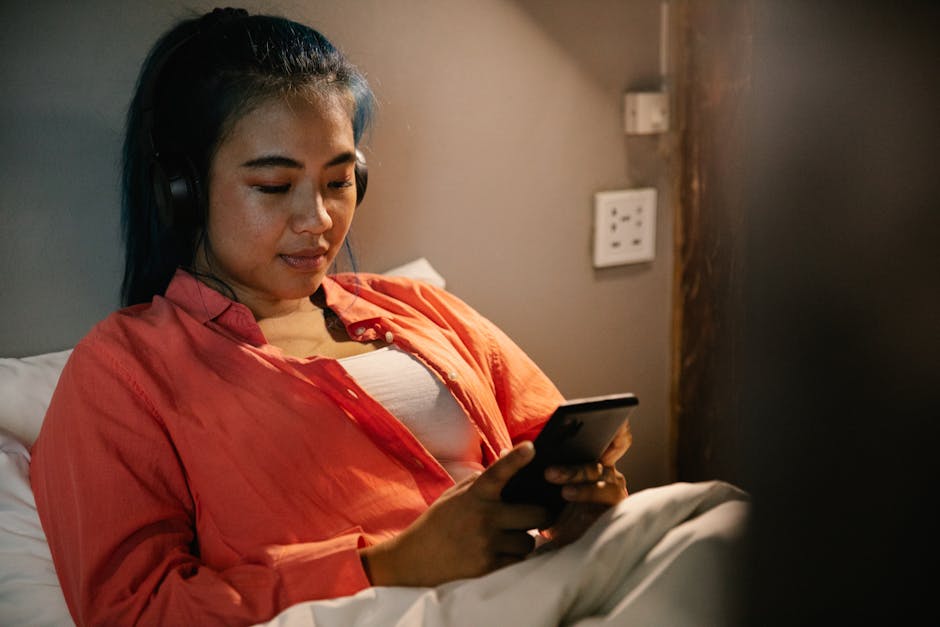
- Multi-tasking: Users often switch between streaming content and social media or messaging apps, blurring the lines between passive watching and active communication. Immediate sharing: Smartphones enable instant sharing of moments, memes, or reactions, fueling a sense of connection during entertainment consumption. Personal device: A smartphone is a personal device, which makes social interaction feel intimate and direct.
Real-Time Interaction as a Baseline Expectation
Today's users expect real-time interaction as a given, not a bonus. This cultural shift has been supported by technology developments and apps designed with social engagement as a core feature. For example, MrQ, a live quiz and game show app, thrives because it combines entertainment with real-time interaction, keeping participants engaged through live chat and instant feedback.
Real-time interaction enhances immersion and injects energy into the entertainment experience. Instead of passively watching pre-recorded content, users engage as events unfold, creating shared emotions and reactions. This dynamic changes the entire user mindset—viewing entertainment as a communal event rather than an isolated activity.
Why Real-Time Matters
Social Validation: Users feel validated when their reactions or comments are seen and responded to immediately. Community Building: Immediate interaction fosters a sense of belonging as users recognize others sharing the moment. Engagement Retention: Real-time features reduce drop-off rates by sustaining excitement and participation.Features Making Entertainment Apps Social: Live Chat, Reactions, and Community Participation
The social richness of modern entertainment apps largely comes from their community features. Here’s how these elements come together to create a genuinely social environment:
Live Chat
Live chat rooms integrated into streaming sessions allow viewers to comment, ask questions, or joke in real time. Unlike traditional comment sections, chat rooms are dynamic and fast-paced, replicating a sports arena or party vibes. This immediacy feeds engagement and often sparks mini-communities around shared interests.
Reactions and Emojis
Simple reaction buttons—likes, hearts, claps—enable users to express feelings instantly without disrupting their viewing. These tiny interactions add up to a palpable sense of group mood and shared sentiment.
Community Participation & Events
Activities like polls, trivia, and user-driven content challenges invite participation beyond passive consumption. This active role builds attachment to the platform and strengthens social ties within the app.
Feature Purpose Impact Live Chat Facilitates immediate conversation during content Boosts engagement and creates shared experiences Reactions Allows quick emotional expression Enhances collective mood sensing Community Events Encourages active participation Builds loyalty and community bondsPersonalization and Recommendation Systems: The Glue That Holds Social Interaction Together
Modern entertainment apps deploy sophisticated algorithms to personalize content and social features at an individual level. This personalization encourages users to engage more deeply by surfacing content and social interactions most relevant to them.
For instance, Scholars Global Tech Corporation has spearheaded innovation in AI-driven recommendation systems, sharpening how apps suggest not just shows to watch but also communities to join and chat rooms to enter. Personalized notifications about friends’ activities or trending discussions entice users back into social participation.
How Personalization Enhances Social Experiences
- Tailored Content Feeds: Offering personalized streams reduces decision fatigue and highlights social opportunities where users are likely to engage. Friend & Community Suggestions: Algorithms that identify like-minded users and events foster meaningful interaction instead of random exchanges. Contextual Interactions: Personalization extends to timing, showing prompts for chat or reactions at moments users are most receptive.
Conclusion: The New Era of Social Entertainment Apps
Entertainment apps today feel more social because they are built with social experience at their core—enabled by smartphones, real-time interaction, community features, and smart personalization. Companies like SIIT (Scholars International Institute of Technology), Scholars Global Tech Corporation, and MrQ are leading this evolution, creating platforms that do more than deliver content—they bring people together.
In a world where evening leisure often means tuning into a screen, these apps have transformed solitary viewing into a shared, interactive, and highly social occasion. As consumers increasingly expect siit.co real-time connections and community participation, entertainment apps will continue refining their social platforms to meet those expectations—making entertainment not just watched but experienced together.