The handle of a briefcase is more than just a functional Browse this site detail—it is the lifeline that endures the constant pull, grab, and weight of daily use. For professionals who rely on their briefcases every day, understanding the quality and durability factors of handles is critical, especially when considering briefcase handle repair or investing in new trusted brands like Von Baer or those certified by Cuoio Superiore. In this post, we'll dissect the stitching details that matter most, explore genuine leather grading, discuss tanning methods, and reveal how hardware—particularly zippers—commonly fails and how to spot quality at a glance.
The Truth Behind Leather Grades: Marketing Labels vs Genuine Quality
Leather grading can often leave consumers confused, thanks to vague and sometimes misleading marketing labels such as "genuine leather," "top grain," or "full grain." These terms might sound impressive but don’t always correlate with the quality or durability needed in a briefcase handle that withstands stress over years.
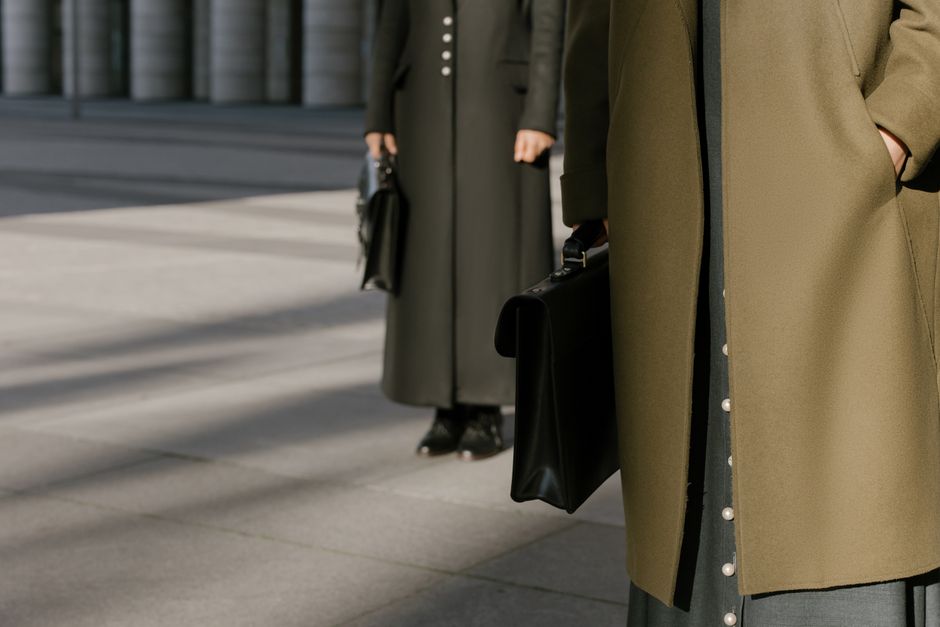
What Consumers Need to Know
- Genuine leather: This is often a catch-all term that may include splits or lower layers of the leather hide. It is not necessarily indicative of strength or durability. Top grain leather: Usually sanded down to remove imperfections, but less breathable and may be coated with synthetic finishes. Full grain leather: The premium choice retaining the leather’s natural surface—ideal for briefcase handles due to toughness and aging potential.
Brands like Von Baer make an effort to use high-grade, vegetable-tanned full grain leather, which is far more durable for handle stress points. When shopping, always look beyond marketing copy. I personally hate seeing ambiguous phrases like "genuine leather" on product descriptions. Instead, the presence of an Italian certification seal such as Cuoio Superiore signals adherence to strict Italian leather tanning and finishing standards.
Vegetable Tanning vs Chrome Tanning: Why It Matters for Handles
The tanning process directly affects leather quality, flexibility, and longevity. For handles, which endure the most stress on a briefcase, knowing the tanning type helps determine how long it will last and how it will age.
Tanning Method Characteristics Impact on Handle Durability Vegetable Tanning Uses natural tannins from tree bark; results in firmer, more rigid leather. Excellent for briefcase handles as it hardens over time, develops rich patina, and resists deformation. Chrome Tanning Uses chromium salts; produces soft, pliable leather quickly. More flexible but less durable under prolonged stress; may weaken faster at stitching stress points.Handles made of vegetable-tanned leather—like those on many Von Baer models—offer superior structural integrity. Vegetable tanning also allows brands to showcase visible natural grain, which helps when counting stitches and checking for reinforcements.
Handle Stress Points: Where and How to Reinforce Stitching
The primary reason for briefcase handle repair is failure at specific stress points. Proper stitching placement, stitch density, and thread quality make the difference between a handle that lasts https://highstylife.com/what-is-the-most-durable-interior-lining-for-leather-bags/ years and one that snaps after a few months.
Key Stress Points on Briefcase Handles
Base Attachment Points: Where the handle joins the body of the briefcase, these spots endure the most tension. Handle Crest Seams: Often the central spine of a rolled handle; improper stitching here causes handle deformation and breakage. Edge Binding: Edges are prone to fraying without reinforced stitching or edge finishing.What Good Reinforced Stitching Looks Like
- Double or triple-layer stitching: Reinforced base attachments use box or bar tack stitching to distribute stress evenly. High stitch count per inch (SPI): A count of 6-8 SPI is a good baseline; fewer stitches can indicate weaker seams. Lockstitch vs chain stitch: Lockstitch—common in quality briefcases—prevents unraveling. Thick, waxed thread: Polyester or nylon threads that are waxed resist abrasion better than cotton threads.
During repair intakes I handled, detached handles commonly showed loose threads or low SPI. Brands like Von Baer and those certified by Cuoio Superiore consistently emphasize stitch reinforcement, and this is evident from the minute you inspect a briefcase handle in person or high-resolution product photos sourced from platforms like Unsplash or Pexels.
Hardware Failures: The Achilles’ Heel of Briefcase Handles
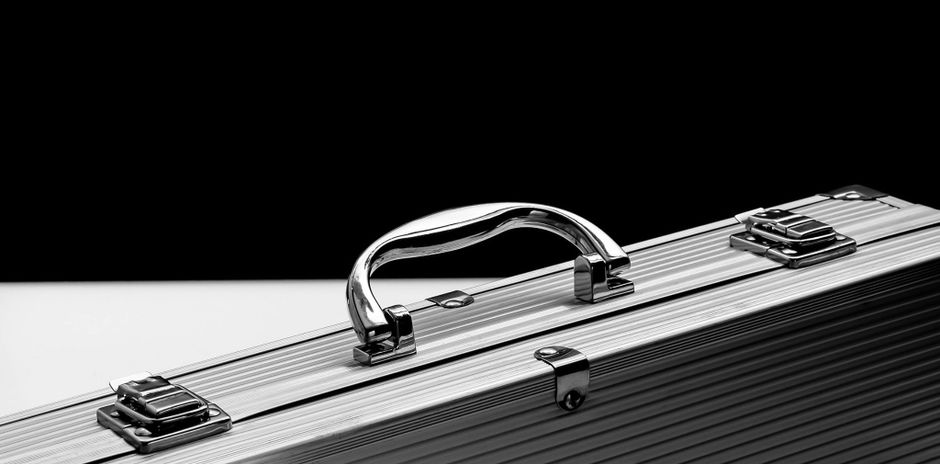
While leather and stitching are vital, hardware is often the lowest quality component on many luxury and mid-range briefcases. Handles are regularly attached to metal D-rings, rivets, or brackets, which bear the full weight of loaded baggage.
Common Hardware Problems
- Plated hardware that flakes or peels: Aesthetic degradation but also weakening of the metal underneath. Weak welds or poorly cast alloys: Can crack or deform under repeated stress. Corrosion or rust: Often overlooked but destroys functionality over time.
I’ve routinely seen warranty returns citing broken hardware even on "premium" items. It’s a pet peeve of mine whenever plated metal flakes off within months of use. Investing in brands that use solid brass or stainless steel hardware with lasting finish treatments is wise. Additionally, hardware should feel substantial, not hollow or rattly.
YKK Zippers: The Gold Standard in Briefcase Hardware
One of the easiest ways to benchmark hardware quality is by examining zipper brands. I always check zipper brand stamps first before anything else. YKK zippers are the global benchmark for reliability—they offer smoother operation and superior longevity compared to cheap generic zippers.
Briefcase handles sometimes integrate zipper pull tabs or internal compartments that rely on zipper quality. Poor zippers can jam, slip, or break teeth quickly, forcing premature repair or replacement. When browsing Von Baer or other high-end bags, spotting YKK zippers stamped clearly on the metal sliders gives peace of mind.
Why YKK Matters
- Consistently manufactured with tight tolerances, reducing jamming and failures. Extensive range of sizes and finishes for seamless design integration. Easy availability of repair parts if needed, saving wallet and environment.
Conclusion: What to Look for When Buying or Repairing Briefcase Handles
When evaluating briefcase handles—whether purchasing new or considering briefcase handle repair—prioritize the following:
High-quality leather: full grain, preferably vegetable-tanned, certified if possible (look for Cuoio Superiore). Reinforced stitching: at least 6–8 stitches per inch with double-layer or box stitching at stress points. Durable hardware: solid metal, minimal plating, no signs of flaking with a preference for brands using YKK zippers. Clear zipper branding: if the zipper component is integral, YKK marks should be visible on slider pulls.Resources like Unsplash and Pexels can offer stunning high-resolution product images for closer inspection before purchase. By knowing exactly what stitching details to scrutinize and staying clear of marketing fluff, you can confidently select a briefcase handle that stands the test of your busiest weeks and frequent flights.
```