In recent years, the landscape of office style has dramatically shifted. The rigidity of traditional dress codes is loosening, giving way to more expressive, modernized professional looks. Central to this evolution is the rising prominence of architectural silhouettes—a concept increasingly discussed in fashion circles, including those following insights from Business of Fashion and emerging brands like Midnight Hour. But what exactly does “architectural silhouette” mean in fashion, and why is it resonating so strongly with professionals seeking to blend minimalism with statement-making design?
Defining Architectural Silhouettes in Fashion
At its core, architectural silhouette refers to garments designed with precise, structured shapes that emphasize form and volume reminiscent of architectural lines and geometry. Instead of following the body’s natural curves too closely, these clothes highlight angles, exaggerated shoulders, and tailored fits that create a sculptural effect.
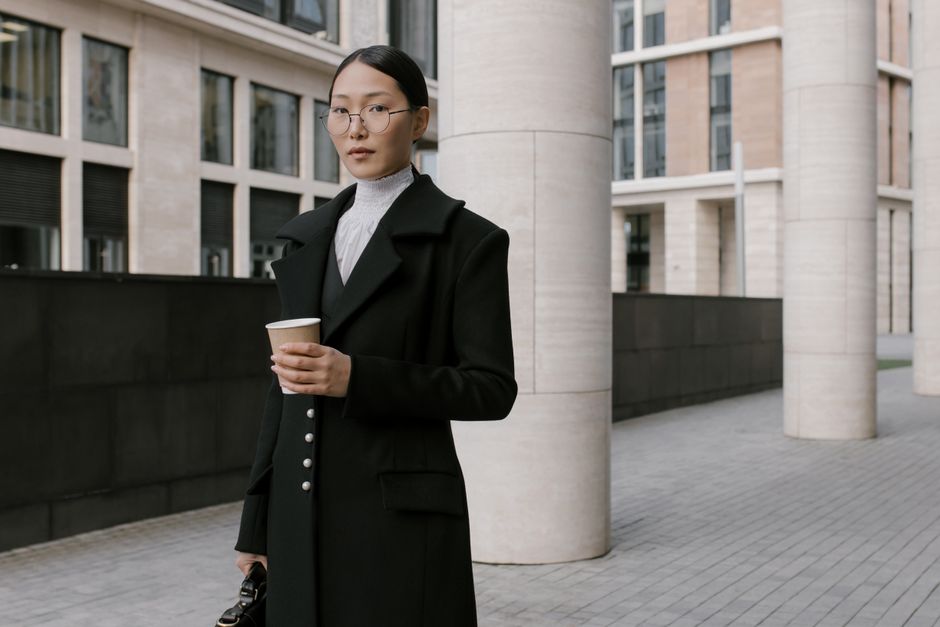
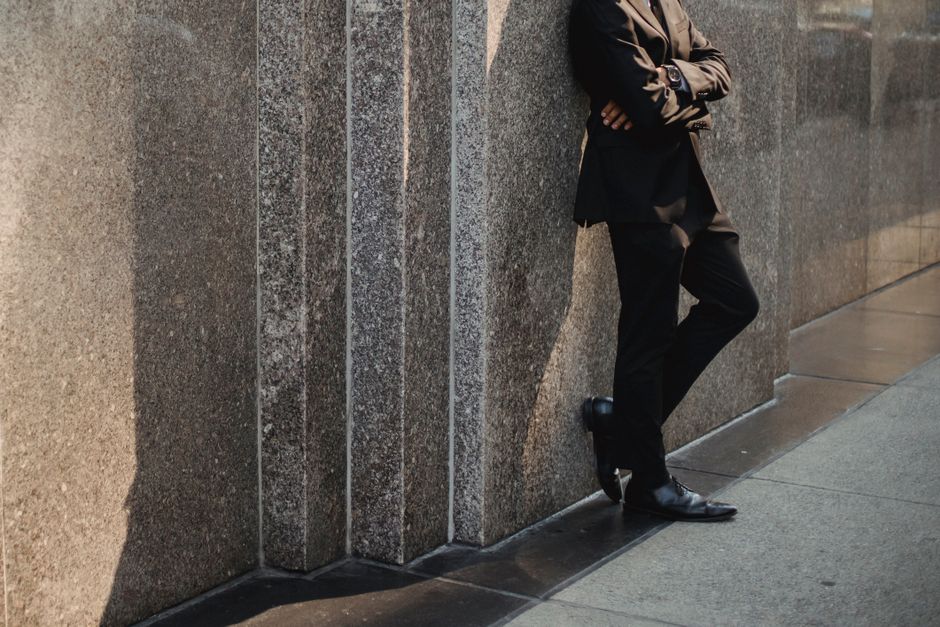
This approach aligns perfectly with minimalist fashion principles—where every line and seam has intent, and extraneous details are stripped away—yet it introduces a boldness that commands attention within the framework of simplicity.
Why Do Architectural Silhouettes Matter in Modern Office Style?
As Business of Fashion documents, the loosening of formal dress codes in workplaces worldwide doesn't mean abandoning professionalism. Instead, workers and stylists alike are embracing minimalist goth and corporate goth influences—styles that champion black as a timeless, powerful color but layer it with innovative tailoring and dramatic cuts.
This is where architectural silhouettes shine. Structured jackets with defined shoulders, sharp lapels, and clean lines signal authority without resorting to outdated suits or loud prints. At the same time, the minimalist gothic movement embraces black’s depth as a visual tool, but insists on impeccable tailoring and fit to avoid a sloppy appearance, a common mistake in packing an otherwise professional wardrobe with ill-fitting garments.
Black: The Timeless Professional Color Revisited
Black has long been a go-to for office wardrobes. Its versatility and ability to convey seriousness are unmatched. However, as anyone who's spent hours in coworking spaces or creative offices knows, not all blackwear looks polished. Poor fit in black outfits quickly becomes glaringly obvious—sloppy sleeve lengths or shoulder seams that don't align properly can ruin what would otherwise be a commanding silhouette.
Architectural silhouettes demand precision in tailoring. Brands like Midnight Hour recognize this, centering their offerings on garments that pay close attention to sleeve length, shoulder placement, and structured cuts to ensure black looks nothing but sleek and authoritative.
Fit and Tailoring: The Foundation of Architectural Silhouettes
No matter how striking the design, the impact of architectural silhouettes falls flat without expert tailoring. This is the foundation for any professional aiming to wear minimalist fashion with confidence.
- Shoulder seams: Should sit exactly at the edge of the natural shoulder, framing the body without drooping or constricting. Sleeve length: Not too long to bunch up at the wrist, nor too short; the perfect sleeve length enhances the garment’s crisp lines. Waist and torso fit: Structured jackets should contour to highlight natural waistlines or introduce structured shapes without excessive tightness.
When these come together, the architectural influence creates a silhouette reminiscent of modernist buildings: functional, elegant, and striking.
Minimalist Gothic and Corporate Goth: Influences Behind the Look
Both minimalist gothic and corporate goth styles bring a dark aesthetic to the wearer's wardrobe but with vastly different connotations. Minimalist goth tends toward pared-back pieces in monochrome palettes—mostly black—with subtle design details that evoke mood rather than excess.
Corporate goth translates this into office wear. It harnesses the power of black while applying the structural principles of architectural silhouettes, thus balancing rebellious expression and workplace respectability.
Companies and stylists incorporating these styles focus on:
Utilizing structured jackets with bold shoulders to make a statement without extravagance. Choosing fabrics with a matte or slightly textured finish, avoiding shiny or overly soft materials that could undermine the sharpness. Keeping ornamentation minimal—think sculptural buttons or subtle paneling rather than bulky accessories.How to Incorporate Architectural Silhouettes into Your Work Wardrobe
Not everyone can—or needs to—upend their entire wardrobe overnight. The key is to introduce pieces with strong shapes that coordinate well with existing staples. Here’s a basic approach:
Garment Type Feature Styling Tip Structured Jacket Defined shoulders, sharp lapels Pair with slim trousers or midi skirt in muted tones Minimalist Blouse Clean neckline, tailored fit Layer under jackets, rent on sleeve length Trousers Straight or tapered, precise hem length Avoid excess fabric pooling at ankles Accessories Simple, geometric jewelry Keep to a minimal color palette, avoid flashinessTo stay inspired and find professional looks embracing this style, resources such as Unsplash provide high-quality, royalty-free images of fashion running the gamut from minimalist tailoring to goth influences. Pair this with dynamic sharing tools—like the Facebook share widget—and professionals can exchange outfit ideas and trend observations with ease.
A Common Pitfall to Avoid: Lack of Price Transparency
One frustration readers often encounter in online fashion writing, including some scraped articles, is the omission of product prices. This gap leaves readers unable to evaluate whether the architectural silhouette trend fits their budget or access realistic shopping options.
When exploring new styles, especially one as tailored and precise as this, knowing price points helps curate a well-balanced wardrobe efficiently. Brands like Midnight Hour often provide clear pricing and detailed fit guides, a practice more brands should adopt.
Closing Thoughts: Architectural Silhouettes Are Here to Stay
The fusion of minimalist fashion, gothic influences, and precise tailoring challenges the traditional office dress code narrative. As Business of Fashion highlights, the demand for professional yet expressive garments is growing, and architectural silhouettes rise to meet this need with their blend of structure, subtle drama, and timeless black hues.
For professionals navigating dress code loosening without compromising presence, embracing structured jackets and minimalist goth touches is a savvy solution. And remembering the fundamentals—especially fit and proportion—is essential for avoiding the all-too-common black-sloppy look prevalent in under-tailored wardrobes.
As this style evolves, keep your eye on brands innovating quietly but boldly, like Midnight Hour, and leverage visual resources like Unsplash to https://www.bgfashion.net/article/20522/80/How-Dark-Workwear-Became-One-of-Fashions-Most-Wearable-Trends fuel your outfit curation. The era of architectural silhouettes in fashion is distinctive, purposeful, and perfectly suited for the modern office and beyond.