Preparing for your baby’s arrival often includes a whirlwind of decisions, not least of which is what clothes to buy and when. With a million adorable outfits vying for your attention, it’s easy to get drawn away from practical newborn essentials to fancy frills and cute styles. But when it comes to baby clothes, timing and practicality matter — especially if you want to avoid last minute baby shopping frenzy and ensure your little one stays comfy and safe.
In this post, I'll help you figure out what baby clothes to buy before the birth and what’s better purchased afterwards, focusing on a sensible newborn wardrobe, layering for British weather, and how to keep baby at a safe temperature. I’ll also reference trusted resources like the NHS newborn clothing guide and practical advice from 3 Little Crowns, an excellent Australian parenting resource which echoes many of these essentials.
Why Planning Your Baby Clothes Purchases Matters
Buying baby clothes isn’t just about cute photos and holiday outfits. A newborn’s skin is sensitive, they can’t regulate temperature well, and you’ll soon discover just how quickly you go through basics like vests and sleepsuits. Understanding which clothes to have at birth and which to add later helps you:
- Avoid over-buying items your baby might outgrow quickly Ensure you have enough practical layers for warmth without overheating Save money by focusing on essentials first Prevent frantic last-minute shopping trips during those exhausted days
Newborn Essentials: What to Buy Before the Birth
There are some items you absolutely want on hand from day one. These are the clothes babies wear all day, every day—basics that serve as the foundation of your baby’s wardrobe and keep them comfortable.

1. Baby Sleepsuits (6-8 pieces)
According to NHS advice, sleepsuits are a must-have because they provide full body coverage and keep baby warm without extra blankets. Opt for cotton or breathable fabric to avoid overheating. Go for front poppers or zip designs for easy diaper changes.
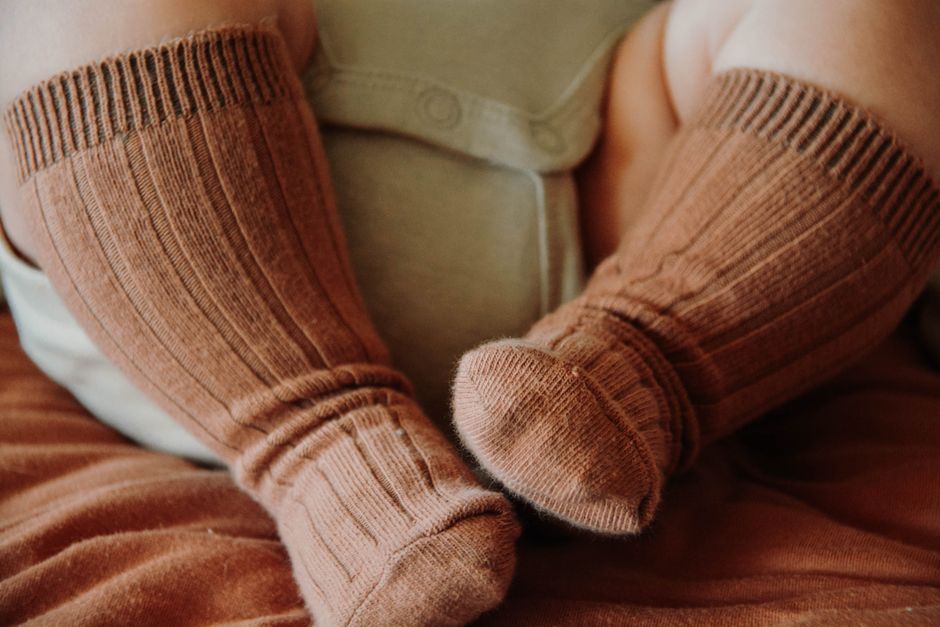
A good rule of thumb is to have around 6-8 sleepsuits in a newborn size ready before you give birth. This amount accounts for messy changes and laundry gaps.
2. Vests (5-7 pieces)
Vests are the layering star players for newborns. NHS suggests thin cotton vests underneath sleepsuits, especially if you’re layering during cooler months.
Buy at least 5–7 vests to keep your baby comfy and dry. Choose sleeveless for better temperature regulation in warmer weather or long-sleeved if you're expecting cold conditions.
3. Scratch Mittens and Soft Hats (2-3 each)
Newborns often scratch their delicate faces with sharp nails. Scratch mittens prevent this. Plus, babies lose heat easily through their heads, so a couple of soft, breathable cotton hats are essential—not thick woollies at birth, but hats that fit snugly.
4. A Good Stretch of Bodysuits or Rompers (3-5 pieces)
These are interchangeable with sleepsuits in warmer weather if you prefer. Choose ones that snap at the crotch for convenience.
5. Layering Pieces for Cooler Weather
If your baby is born in autumn or winter, consider lightweight cardigans or jackets that can be layered over sleepsuits or vests. Layering helps with temperature control because you can add or remove layers as needed.
What You Can Wait to Buy After Your Baby’s Arrival
Some clothes are best chosen once you know your baby’s size, preferences, and the season you’ll be dressing them through. Other items might be impulse buys that you can leave on the shelf for a while.
1. Size 1 and Up Clothes
Almost all babies start in newborn size clothes, but how quickly they grow can vary. Some newborn clothes never even get worn! Wait until you see your baby to stock up on size 1 (0-3 months) so you don’t waste money.
2. Fancy or Occasion Outfits
It’s tempting to buy lots of cute dresses, suits, or themed outfits early on, but newborns mostly sleep and feed in the first weeks. Save fancy clothes for special outings once your baby is a bit older and you truly need them.
3. Seasonal Outerwear
If you’re due in summer, no need to buy thick babygrows or snowsuits before birth. Similarly, if winter’s coming, buying tiny short-sleeved vests might not be the best use of your budget. Having a few basic layers and then shopping for season-specific items after birth prevents waste.
4. Too Many Accessories or Shoes
Babies don’t need shoes until they start walking, and accessories like headbands or socks often get lost or kicked off. Focus instead on basics that keep your baby comfortable.
Understanding Baby Temperature Safety and Avoiding Overheating
One crucial consideration when buying baby clothes is how to keep your newborn at a safe temperature. The NHS warns that overheating increases the risk of sudden infant death syndrome (SIDS). Clothes should be breathable and layered rather Click to find out more than bulky.
- Keep room temperature between 16–20°C (61–68°F). Use vests and sleepsuits made of natural fibers like cotton. Avoid too many layers or thick blankets indoors. If you’re layering, remove outer layers when going indoors. Check baby’s temperature by feeling the back of their neck rather than hands or feet, as these are often cooler.
Layering, confirmed by trusted sites like NHS and 3 Little Crowns, is the most practical strategy for the unpredictable weather we often see in the UK. It lets you adapt clothes easily without risking overheating.
Sample Newborn Clothing Shopping List: Before Birth vs After Birth
Item Buy Before Birth? Recommended Quantity Notes Newborn Sleepsuits (cotton, zip or poppers) Yes 6-8 Essential for day and night, layers well Cotton Vests (long or short sleeve depending on season) Yes 5-7 Base layer, helps regulate temperature Scratch Mittens Yes 2-3 pairs Protects delicate skin from scratches Soft Cotton Hats Yes 2-3 Keeps heat from baby's head, breathable Bodysuits or Rompers Yes 3-5 Alternate with sleepsuits in warmer months Cardigans or Lightweight Jackets (seasonal) Yes if birth expected in cooler months 1-2 Good for layering outdoors Size 1+ Clothes (3-6 months) No Wait to buy Better to see baby's growth rate first Fancy/Occasion Outfits No Wait to buy Can buy once baby’s size and needs are clearer Shoes No Wait to buy Not needed until crawling/walking Seasonal Heavy Outerwear (snowsuits, thick coats) No Wait to buy Depends on birth seasonTips to Avoid Last Minute Baby Shopping Stress
Despite best intentions, many parents find themselves buying a few items last minute — often at inconvenient hours! To prevent this, keep a mental list of the "stuff you will run out of at 2am," like:
- Extra vests and sleepsuits (because spit-ups and leaks happen more than you expect!) Spare hats and mittens Muslin wraps or blankets
Buy a bit more than expected to get Click here for more info ahead, but avoid bulk buying so you don’t end up with too many clothes that don’t fit at once.
Final Thoughts
When deciding what baby clothes to buy before birth vs after, remember this mantra: Start simple, stay practical, and layer smartly. Focus on newborn essentials like sleepsuits and vests in natural fabrics and save fancy or seasonal purchases for once you’ve met your baby and understand their sizes and needs better.
Following the guidance from trusted sources like the NHS and 3 Little Crowns will help you build a practical newborn wardrobe that keeps your baby cozy without overheating and helps you avoid the pitfalls of last minute baby shopping.
With a bit of planning and an eye on comfort and safety, you’ll be ready to welcome your baby in style — and with all the essentials you actually need.