I remember sitting in a dimly lit arcade in the early 90s, clutching a joystick until my palms were sweaty and my vision blurred from the flickering CRT monitor. Back then, your gaming time was limited by the amount of quarters in your pocket. Today, the landscape is radically different. Whether you are grinding ranks on a high-end PC, relaxing on a console in your living room, or sneaking in matches on a mobile device, the barriers to entry have vanished. However, while our access to games has evolved, our biology hasn’t.
If you spent your weekend pushing your limits—immersed in the hyper-connected world of modern gaming—you are likely feeling the fallout today. Between the high-intensity of online multiplayer sessions and the hypnotic pull of endless streaming content, it is easy to lose track of time. As a long-time moderator who has seen thousands of community threads on this exact topic, I can tell you: burnout is real, and it is entirely avoidable if you have the right plan.
Gaming has changed
The transition from the arcade era to the modern age of always-connected gaming has fundamentally altered how we engage with our hobby. We moved from standing at physical cabinets to sitting on couches with consoles, and now we carry the entire world of gaming in our pockets via mobile devices. This constant accessibility is a marvel, but it presents a unique challenge for our health.
We are no longer limited by hardware local to the room. With the rise of cloud gaming, high-fidelity experiences are available on screens that were once strictly for utility. This shift has made gaming a 24/7 social endeavor. Community building via online multiplayer means that when the sun goes down, the lobby doesn't close. Your friends are always online, the raids are always live, and the social pressure to keep playing is at an all-time high. It is no longer just a game; it is a lifestyle, and it requires a lifestyle-based recovery strategy.
The cost of immersion
There is a dangerous trend of equating "real" gaming with how much hardware you own. I often see community forums buzzing about people dumping $1,000+ hardware budgets into their setups—a topic we recently explored in a comprehensive breakdown on our NoobFeed article card. While a top-tier PC or console provides a fantastic experience, all that resolution and frame rate doesn’t protect your eyes or your posture.
After a weekend of intense play, your body starts to keep score. You might experience the "tech neck" associated with staring at a monitor, dry eyes from lack of blinking, or the mental fog that comes from a broken sleep cycle. When we talk about gaming culture, we often focus on the thrill of the win or the quality of the graphics. We rarely talk about the fact that if you don't recover properly, you are essentially borrowing energy from the coming work week. Ignoring the need for sleep reset tips after a Friday-to-Sunday bender is the fastest way to turn a passion into a chore.
Strategic recovery methods
Recovery isn't just about "taking a break." It is about active maintenance. Your body is a machine, and like the expensive gear you keep on your desk, it needs cleaning and recalibration. Here are the pillars of a proper recovery protocol.
Stretching for gamers
You cannot play for twelve hours straight without your muscles locking up. Tension in the shoulders and wrists is the silent killer of gaming longevity. Even if you aren't feeling pain yet, you are building up micro-traumas in your tendons.
- Neck Retractions: Counteract the "gamer hunch" by tucking your chin and pulling your head back, lengthening the spine. Wrist Extensions: Extend your arm, palm facing outward, and gently pull your fingers back with your other hand. This is non-negotiable for PC and console players alike. Lumbar Relief: Stand up and reach for the ceiling. Interlace your fingers and stretch until you feel the tension leave your lower back.
The sleep reset
Blue light is the enemy of the post-weekend reset. If you’ve spent the last three days staring at a screen, your circadian rhythm is likely in shambles. You need to simulate a "hard reboot" for your brain. Avoid screens for at least one hour before bed. This includes your mobile device—no social media, no last-minute Discord checks, and definitely no streaming content.
I’ve found that using tools like Releaf can help with the localized https://www.noobfeed.com/articles/evolution-gaming-teenage-hobby-lifelong-entertainment physical tension that keeps many of us awake at night. Similarly, integrating a system like NICE (Non-Invasive Cognitive Evaluation) for your routine can help you gauge whether your stress levels are trending downward as you approach Monday morning. It is about being honest with yourself: if you’re jittery, you aren't recovered.
Spectatorship vs. participation
Streaming culture has created a unique form of exhaustion. We watch others play, we consume highlights, and we stay connected to our favorite creators for hours on end. This creates a psychological layer of fatigue. You aren't just playing; you are consuming a constant stream of high-energy audiovisual stimuli.
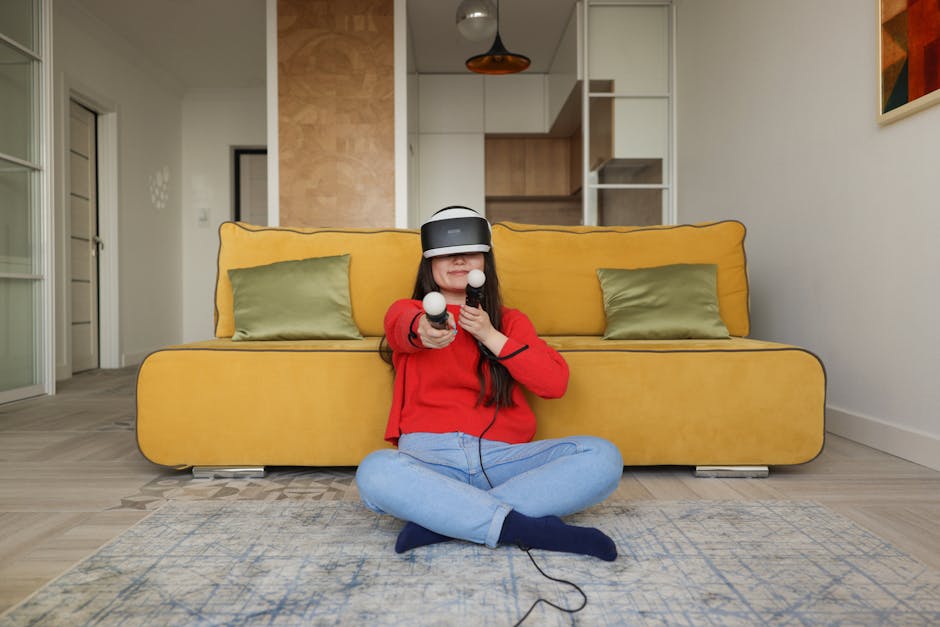
When you are in recovery mode, you need silence. Your brain needs a break from the constant data input that online connectivity provides. If you find yourself scrolling through a feed even when you aren't actively playing a game, you are still "plugged in." True recovery happens when you disconnect the hardware, put the mobile device in another room, and engage with the analog world.
Recovery checklist
To help you navigate your post-weekend transition, I have put together a simple table of habits that I have personally followed for years. Keeping this visible can help you stick to the plan during those moments when you feel the urge to jump back into a lobby.
Strategy Purpose Frequency Hydration Reset Restore cognitive function Every 2 hours Ergonomic Stretch Relieve joint pressure Once per gaming session Digital Detox Clear mental cache 60 minutes before bed NICE Assessment Monitor stress levels Sunday eveningDon't fall for the hype
Throughout my years as a moderator, I’ve seen countless products promised to be "life-changing." I’ve seen brands push expensive chairs, light-up glasses, and hyper-specific software that claims to make you a pro. Let’s be clear: there is no magic bullet. The most effective recovery methods are boring, free, and simple. Sleep, hydration, stretching, and stepping away from the screen are more powerful than any piece of hardware you can buy.
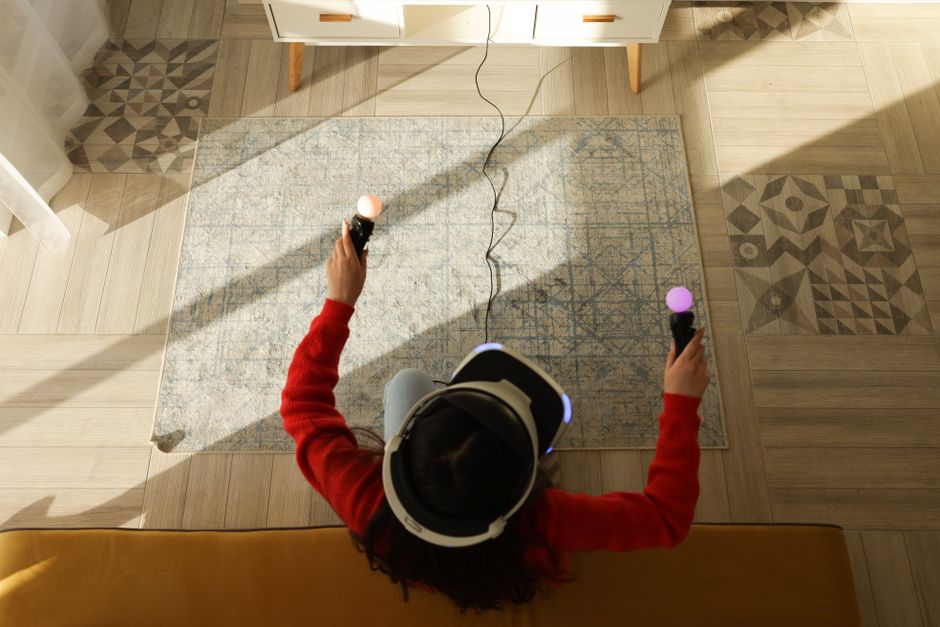
Avoid the marketing buzzwords. You don't need "pro-grade" recovery tech to feel better after a long weekend of gaming. You need consistency. Whether you are playing on a mobile phone during your commute or running a dedicated rig at home, your health is the most important component of your setup. Do not let the connectivity of our modern era convince you that you need to be available every single second.
Final thoughts for the community
I grew up on Nintendo and Sega, moved into the PlayStation and Xbox generations, and now I’m right there with you in this era of cloud gaming and constant connectivity. I love this hobby, and I love the community we’ve built. But I also know that we often treat ourselves worse than we treat our controllers.
Be kind to your body. Take the time to stretch, prioritize your sleep, and remember that there will always be another game, another match, and another lobby waiting for you when you are actually ready to play. You don’t need to prove anything by playing until your eyes burn. The best players aren't the ones who play the longest; they are the ones who have the longevity to enjoy the hobby for years to come. Recover well, reset your rhythm, and we’ll see you back in the game when you’re fresh.