In my seven years working across fashion merchandising and editorial styling, I have developed a singular, non-negotiable habit: before I Florence handmade briefcase ever look at the color of a leather good, I inspect the zipper brand and the density of the stitching. It is a reflex born from seeing too many beautiful exterior designs disintegrate under the weight of a standard Tuesday commute. When we talk about the ideal briefcase, we aren't just talking about aesthetic appeal; we are talking about structural integrity, proportions that don't overwhelm the silhouette, and the silent language of quality.
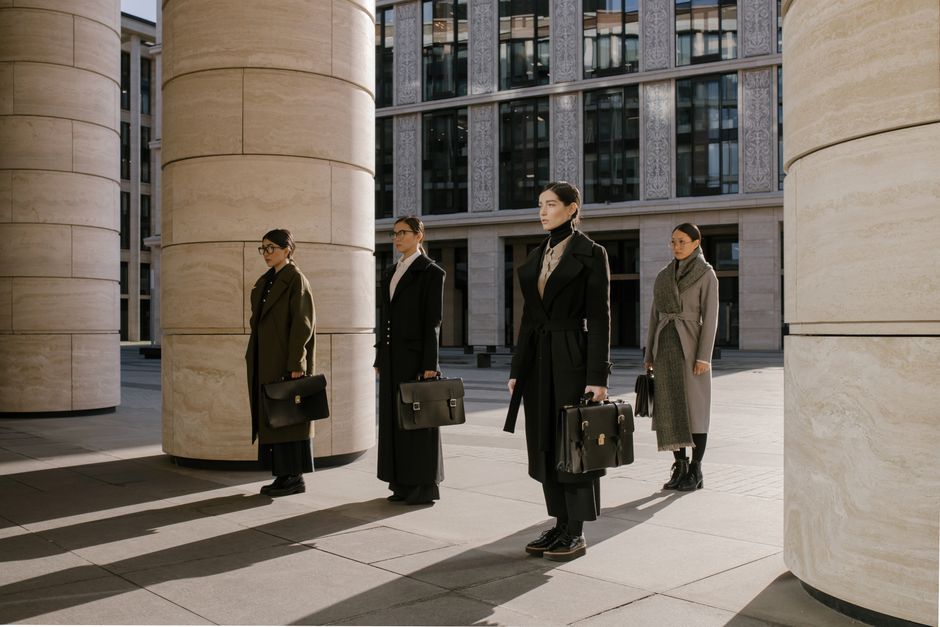
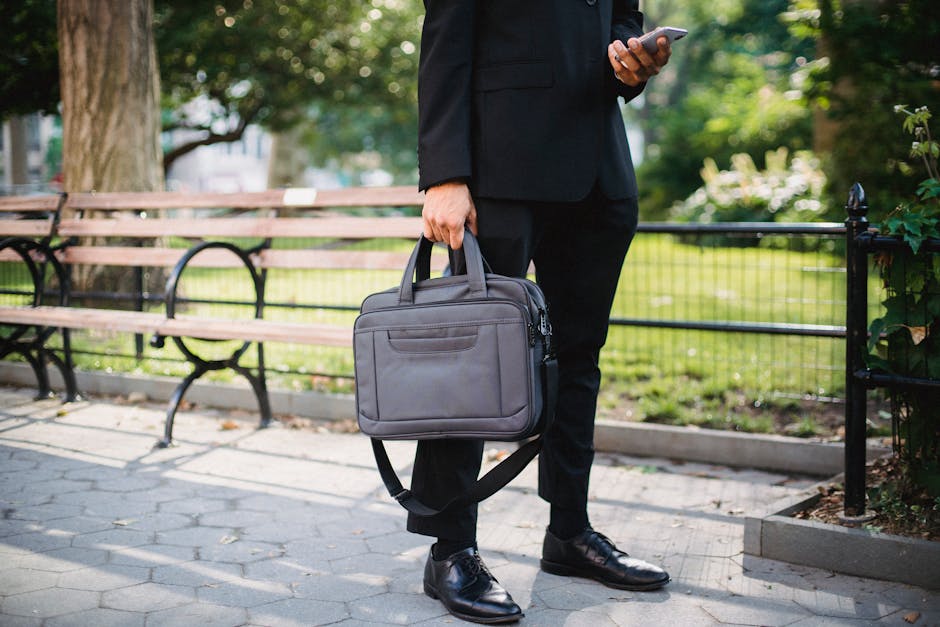
Finding the right bag is a pursuit of quiet luxury. It’s about signaling your capability without resorting to the gaudy, logomania-fueled accessories that have, frankly, plagued the industry for too long. If you are tired of bags that slump into a pile of sad, shapeless leather the moment you set them on a boardroom table, this guide is for you.
The Golden Dimension: Why 40 Centimeters is the Sweet Spot
When clients ask me for the "perfect" size, I don't give them a vague answer. I give them a measurement. For a briefcase that serves both the daily grind and the occasional business trip, the 40 cm briefcase (which equates to exactly a 15.75 inch bag length) is the industry gold standard for a reason.
Why this specific size? It’s a matter of human proportion and functional capacity. A bag that exceeds 42 cm begins to look like a weekend duffel rather than a professional tool. Conversely, anything under 36 cm struggles to fit a standard laptop sleeve and the necessary documents without forcing them into a tight, crumpled fit. A 40 cm briefcase sits comfortably against the thigh without making you look like you’re carrying your entire office on your back. It is "not oversized"—a crucial distinction for maintaining a sleek, professional silhouette.
I always carry an A4 sheet of paper with me during consultations. If the bag cannot hold that sheet without the edges curling because the interior architecture is poorly thought out, it fails the test. A 40 cm bag provides the exact internal clearance needed for A4 files and 15-inch laptops, ensuring they remain pristine from point A to point B.
The Economics of Durability: Why Under £200 is a False Economy
I hear it all the time: "I found a great leather-looking bag for under £200." In my experience, briefs priced under £200 often fail within 18 months. The failure is almost never the leather itself—it is the hardware, the lining, and the structural integrity. When you buy a bag in this price bracket, you are almost certainly buying "genuine leather," which is, in the industry, the lowest grade of leather possible—essentially the "particle board" of hides, often covered in synthetic coatings.
Cheap bags prioritize external flash over internal support. They rely on "replace-only" warranties that are designed to discourage claims because the shipping costs to return them are half the value of the bag. True quiet luxury is about longevity. As discussed at the Copenhagen Fashion Summit, sustainability isn't just about eco-friendly materials; it’s about creating objects that survive the test of time, reducing the need for constant, wasteful replacements.
Hardware and Tanning: The Invisible Difference
When I inspect a bag, I look for YKK zippers. It is a simple, objective indicator of quality. YKK has mastered the smooth glide and the long-term tooth integrity that prevents the "mid-travel jam" that has ruined many a business presentation. However, I have one major caveat: I loathe branded zipper pulls. If a company feels the need to stamp their logo onto the pull tab, they are prioritizing marketing over function. A truly high-end bag uses discrete, functional, and durable hardware that doesn't scream for attention.
Leather Quality: Beyond the "Genuine" Label
The term "genuine leather" is a major red flag in merchandising. It tells you nothing about the quality. Instead, look for full-grain vegetable-tanned leathers. Brands like Von Baer consistently set the bar here by utilizing leathers that don't just hold their shape—they develop a rich patina over time. A good briefcase shouldn't be soft like a handbag; it should have enough structure to stand upright when empty. If it slumps, it’s failing its primary purpose: protecting your documents.
The Traveler’s Metric: Airport Segments
I categorize briefcases based on "airport segments"—the number of times you have to navigate security and gate changes in a year. If you travel 40+ segments per year, your bag undergoes extreme stress. A 40 cm briefcase is the maximum size that fits easily under an airplane seat without sacrificing your legroom, while still offering enough volume for a laptop, a charger, and a notepad.
Comparison Table: Disposable vs. Professional Investment
Feature The <£200 Trap The Investment Choice Leather "Genuine" / Corrected Grain Full-Grain Vegetable Tanned Zipper Hardware Unbranded / Fragile YKK (Industry Standard) Logo Visibility Prominent, embossed/branded pulls Logo-free / Minimalist Structure Slumps when empty Self-supporting (Rigid base) Longevity 12–18 months 10+ years with care <h2> Final Thoughts on Proportion and RestraintThe pursuit of the perfect briefcase is the pursuit of professional restraint. A 15.75 inch bag length (40 cm) acts as a visual anchor. It says that you are prepared, organized, and focused on the work, not the accessory. When you opt for a piece that is free of visible logos and constructed with robust brass hardware and reliable zippers, you aren't just buying a bag—you’re investing in an extension of your professional identity.
Stop settling for bags that tip over when you set them down. Stop settling for hardware that snags. Choose your next briefcase based on how it handles the A4 paper test and how the structure holds up after a long year of travel. Your wardrobe, and your future self, will thank you.