In today’s whirlwind of streaming launches, social platform buzz, and endless reboot announcements, it’s hard not to wonder: is the nostalgia trend in entertainment actually improving what we watch and play, or is it just a shield for risk-averse media to play it safe?
Whether you’re scrolling through Twitter debates over classic 90s cartoons returning, or voting in a Twitch poll about which old-school game franchise deserves a remaster, nostalgia isn't merely a craving for the old days. It’s a powerful emotional connection that’s reshaping how entertainment is created, consumed, and interacted social tv vs second screen with. But is that connection leading to richer experiences, or just more of the same, wrapped in a comforting but predictable package?
Why Nostalgia? The Emotional Comfort in Familiar Stories
Imagine you’re on a fan forum from 2008, chatting about a beloved show that ended a decade ago. Years later, that same show is announced to have a reboot. Instantly, the forum lights up with excitement, debates, and memories. That emotional attachment isn’t accidental—it’s nostalgia.
Nostalgia serves as an emotional anchor in an entertainment landscape that changes as fast as your favorite social platform’s trending page. It offers comfort through familiarity, reminding us of simpler times or treasured moments. For streaming services, nostalgia becomes a way to hook viewers who might otherwise scroll past new, unproven series.
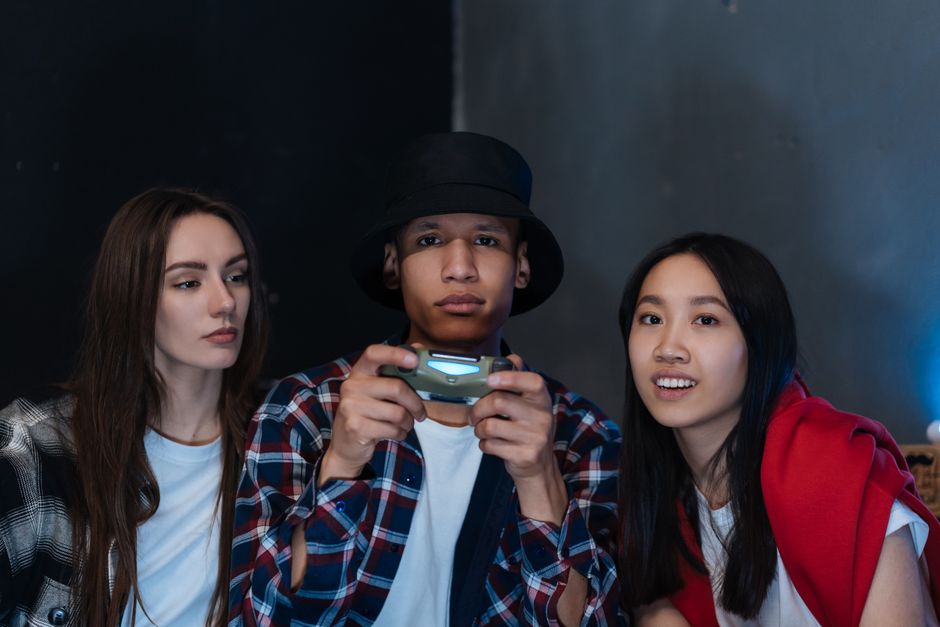
How Streaming Services Leverage Nostalgia
- Library Gold: Services like Netflix and Disney+ lean heavily on classic titles to retain subscribers. The safe franchises market nostalgia as both a selling point and retention strategy. Timed Releases: Launching a reboot or sequel often coincides with anniversaries, stirring up fan emotions, and boosting initial engagement. Data-Driven Nostalgia: Algorithms analyze what classic shows or movies viewers binge, then suggest related remakes or spin-offs, weaving nostalgia into personalized feeds.
This tuning into collective memory helps maintain engagement but also raises the question: does it encourage creators to take fewer risks?
Familiarity vs. Innovation: The Battle in a Fast-Moving Digital World
Digital entertainment lives in a world of constant updates and new trends—what’s cool today can be forgotten tomorrow. Familiar franchises act like lighthouses, guiding viewers through stormy seas of new releases and platform overload.
But this focus on “safe franchises” can lead to what many call “risk aversion media.” Think of it like a fan forum thread where the loudest voices demand the original storyline be preserved exactly—no spoilers, no twists, just the comfort of the known. Producers see less incentive to innovate because the guaranteed fan engagement comes from sticking to what worked.
Still, not all nostalgia-driven projects are stuck in the past. Sometimes familiarity serves as a springboard.
When Nostalgia Sparks Creativity
- Franchise Reboots with Fresh Angles: Newcomers breathe life into old worlds by exploring untold stories or diversifying characters, blending respect for the original with the new. Cross-Platform Storytelling: Using social platforms for interactive extensions (like Twitter character accounts or TikTok challenges) adds layers beyond the original story. Audience Participation: Polls on Twitch or YouTube streams allow fans to weigh in on plot choices or character fates, turning passive nostalgia into active engagement.
Interactivity: From Audiences to Active Participants
Remember a Twitch stream where chat votes helped decide the next move in a retro game playthrough? That’s nostalgia meeting interactivity—something classic media never really had. Instead of only consuming, fans now contribute to the narrative experience.
Social platforms amplify this shift. Comments, fan art, memes, and reaction videos become extensions of the original media, creating a shared space where nostalgia effects ripple through communities. Streaming services often integrate social features or watch-along modes to capitalize on this collective participation.
How Interactivity Enhances Engagement and Retention
Aspect Impact Choice Fans feel ownership over the story by influencing directions (e.g., voting systems or episodic releases) Contribution Creating fan content or participating in live events fuels community building Engagement Time Interactive features increase how long audiences stay connectedThis active cycle turns nostalgia from a passive memory lane into a dynamic playground.
Is Nostalgia a Crutch or a Catalyst?
To bring it all together, let’s revisit the core question. Is the surge in nostalgia-based projects making entertainment better or just safer?
On the one hand, nostalgia brings deep emotional resonance and provides a familiar touchpoint that helps audiences cope with an ever-changing media environment. Familiar franchises reduce friction for viewers, improving engagement and retention on https://dlf-ne.org/what-makes-an-experience-feel-like-a-community-instead-of-an-audience/ crowded platforms.
On the other hand, leaning too heavily on tried and true stories can stifle innovation. Risk aversion media may prioritize brand safety over creative daring, repeating formulas that satisfy but don’t surprise. This makes the entertainment ecosystem more predictable but less adventurous.
Yet, the clearest wins seem to come when nostalgia is paired with opportunity—using familiar worlds as launching pads for fresh ideas, and opening avenues for fans to participate actively rather than just sit back and watch.
Final Thought: Nostalgia’s Double-Edged Sword
Think of nostalgia like a favorite board game you revisit every holiday. It’s comforting and fun because it’s familiar, but if that’s the only thing you ever play, you might miss out on discovering new games that could surprise and delight you just as much—if not more. In entertainment, the sweet spot lies in balancing the warm glow of old favorites with the thrill of new adventures.
In a future where streaming services compete through social platform buzz and interactive experiences, embracing nostalgia with a twist might just make entertainment not only safer but genuinely better.