One of the most common questions new parents ask is how to dress their baby appropriately—especially when the weather is unpredictable or changing rapidly. It's tempting to wrap your little one up like a tiny burrito for every outing, but layering too much can cause overheating, which the NHS warns can be dangerous for newborns.
In this post, I’ll walk you through how to spot signs your baby is too hot, how to check neck temperature accurately, and why simple, practical clothing choices beat fancy, over-styled outfits. I’ll reference trusted sources like the NHS and 3 Little Crowns so you feel confident about how to dress your newborn or toddler for safety and comfort.
Why Does Layering Matter for Babies?
Babies can’t regulate their body temperature as well as adults can, making them more vulnerable to getting too hot or too cold. But it’s not always obvious when they’re overheating, as they can’t tell us. Overheating is linked to a higher risk of Sudden Infant Death Syndrome (SIDS), so it’s important to learn how to dress your baby just right.
At the same time, babies need to be comfortable through weather changes—whether it's a chilly morning or an unexpectedly warm afternoon. That’s where layering comes in as a great solution when done properly.
Remember:
- Too many layers or thick, heavy fabrics can trap heat. Too few clothes leave your baby cold. Practical clothing choices mean you can quickly add or remove layers as needed.
Signs Your Baby Is Too Hot
The NHS directly advises parents to watch for signs that may indicate overheating. Here’s what to look for:
- Baby’s chest or back feels sweaty or clammy. Sweating is a key signal that your baby is too warm. Their face looks flushed or red. This can also mean the baby is overheating. Breathing is rapid or shallow. Unusual breathing patterns might indicate distress. Baby is restless or irritable but can’t be soothed. Check baby’s neck temperature: It should feel warm or slightly cool, but never hot or sweaty.
When in doubt, the NHS suggests removing a layer and checking again after a short time. Your baby’s comfort and safety always come first.
How to Check Your Baby’s Temperature Safely
The classic advice—and the one I keep top of mind—is to gently feel the back of your baby’s neck or tummy before their clothes and blankets. Hands and feet can often feel cooler naturally, so they’re less reliable.
Step-by-step temperature check:
Using the back of your hand, touch your baby’s neck or back through their clothing. You’re aiming for a warmth that feels comfortably warm, not hot or sweaty. If it feels hot or damp, remove one layer immediately. If cool, consider adding a lightweight layer or swaddle.Remember: don’t rely on your baby’s hands and feet because they are often cooler due to circulation differences. The neck or torso tells you much more accurately how warm they are.
Practical Newborn Wardrobe Staples
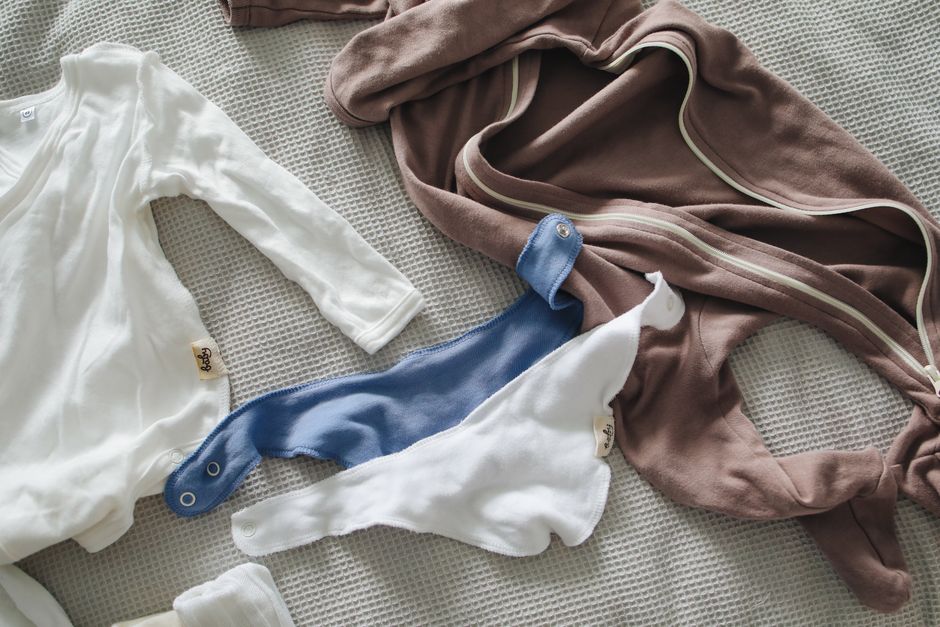
The temptation is strong to buy adorable, elaborate outfits for every day and occasion. But the reality of newborn life is messy, unpredictable, and packed with diaper changes. A simple, practical baby wardrobe is your best ally for keeping comfortable and avoiding over-layering.
Must-have basics to stock up on:
Clothing Item Why You Need It Ideal Fabric & Features 3-5 Cotton vests (bodysuits) Light base layer, easy to layer under sleepsuits or outer layers Soft, breathable cotton that wicks moisture 4-6 Sleepsuits (footed pajamas) Comfortable one-pieces for cooler weather or nightwear Cotton or cotton blends with easy snap or zip openings Lightweight cardigans or jackets Easily add or remove for fluctuating temperatures Breathable fabrics, no itchy fibres Hats (thin cotton and warm options) Extra warmth for head outdoors or in colder rooms Soft cotton, snug fit but not tight Swaddles or thin blankets Useful for extra warmth or swaddling Light muslin or cotton with recommended breathabilityThe lovely team at 3 Little Crowns have excellent advice on layering with the right basics for unpredictable weather in Australia that’s equally sensible here in the UK. Their focus on temperature-regulating fabrics and mix-and-match layering is a winner.
Layering Tips for Unpredictable Weather
The UK weather is famous for changing quickly—that’s why layers are your best friend. Here’s a straightforward approach to layering your baby safely:
Start with a cotton vest or bodysuit. This acts as a breathable base. Add a sleepsuit or footed one-piece. Convenient for nighttime and daytime. Include a lightweight cardigan if it’s cooler. Easy to remove if baby gets warm. Top off with a hat for outdoor trips. Even in spring or autumn, babies lose heat from their heads. Use a swaddle or thin blanket to keep cozy in the pram or car seat. Remember to remove if baby is sweating.The golden rule: if you, as an adult, feel the need to add or remove a layer, your baby probably does too. Keep checking throughout the day, especially at 2am (when you’ll often find you’ve run out of fresh vests or sleepsuits, by the way!).
What to Avoid When Dressing Your Baby
Some practices can inadvertantly cause overheating or discomfort:
- Overdressing with thick, heavy layers of fleece or wool indoors. Cotton next to the skin works best. Tightly swaddling with multiple blankets. Swaddling is meant to be snug but breathable. Using hats indoors or all night regardless of room temperature. Only use hats when necessary. Assuming a “set it and forget it” approach to clothes. Babies’ needs can change quickly. Relying on vague advice without checking your baby’s temperature yourself.
When to Seek Help
If you notice any unusual signs in your baby’s behaviour or temperature, trust your instincts and reach out to your health visitor or GP. According to the NHS, if your baby feels too hot or too cold and won't settle, or if they show any signs of illness, professional advice is essential.
Summary: Your Simplified Guide to Avoid Overheating Your Baby
- Use simple cotton vests and sleepsuits as your base layers. Layer with lightweight items you can remove quickly if baby feels hot. Check your baby’s neck or back temperature regularly—not their hands or feet. Watch closely for signs baby too hot: sweating, flushed skin, rapid breathing. Adapt your baby’s layers based on the weather and indoor temperatures. Keep a good stock of vests and sleepsuits handy (especially for those 2am messes!). Follow trusted guidance from the NHS and experts like 3 Little Crowns.
With a bit of practice and by trusting your instincts—backed by simple checks—you’ll find a rhythm runjumpscrap.com that keeps your baby cozy without over-layering. It’s one less thing to worry about in those busy early weeks!