When it comes to purchasing an engagement ring or any fine jewellery piece, many buyers consider personalising their item through engraving or customisation. While these bespoke touches add sentimental value and uniqueness, a crucial question lingers: does engraving or other customisation affect your ability to return the ring? This blog post explores this topic thoroughly, weaving in insights from industry leaders like Hatton Garden Jewellers, and highlighting why understanding the Four Cs, grading reports, and sizing nuances matter when buying a ring.
Understanding Return Policies: The Impact of Custom Ring Return Policy and Engraved Ring Returns
Before diving into the technical details of diamond quality and sizing, let’s clarify what you can generally expect Look at this website regarding refund eligibility when a ring is customised or engraved.
- Engraving: Most jewellers consider engraving a permanent modification to the ring. This customisation usually voids the standard return policy, since the ring cannot be resold as new or easily restored to its original state. Customised Rings: Rings made-to-order per customer specifications—including choice of metal, setting, diamond or gemstone, and style—often have limited or no return window. This is due to the bespoke nature and inventory considerations.
For example, reputable companies such as Hatton Garden Jewellers are transparent in their return policies and often communicate clearly on their websites and at consultations whether engraving or custom orders affect return or exchange rights. Always check their custom ring return policy in writing and ask about engraved ring returns before committing.
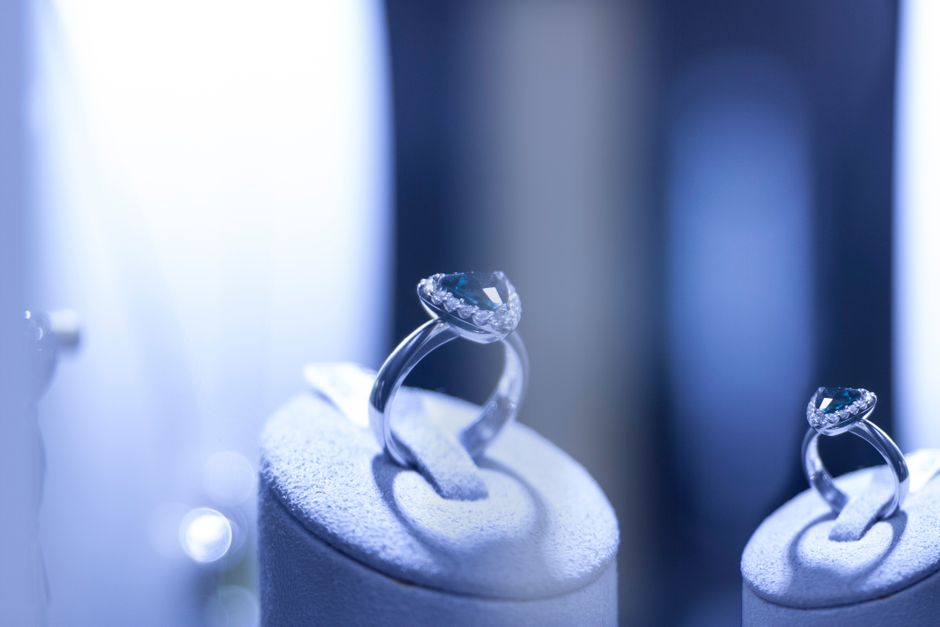
Quick tip: If you plan to personalise your ring, clarify refund eligibility upfront and get a written copy of the policy.
Diamond Quality Insights: The Four Cs Trade-Offs and Why Cut Drives Sparkle
Moving beyond returns, let’s explore technical considerations buyers should keep in mind when ordering rings to understand proportions, sparkle, and overall value.
The Four Cs: Cut, Carat, Colour, and Clarity
The Four Cs govern diamond grading and value, but they are not equally weighted.
- Cut: Often overlooked, cut is the single most important factor driving sparkle and brilliance. Poor cut, even with excellent clarity or colour, results in a dull stone. Carat: The diamond’s weight, often mistaken for the stone’s visual size. Colour: Measured from colourless (D) to warmer tint (Z), subtle differences affect price. Clarity: Imperfections and inclusions, evaluated under magnification.
As an experienced content editor and jewellery consultant, I always see customers fixate on carat weight. But a slightly smaller diamond with an excellent cut will always sparkle more than a larger, poorly cut https://bizzmarkblog.com/marquise-diamond-looks-huge-is-it-just-the-shape/ stone. Use the GIA diamond quality factor pages to educate yourself on cut grades and sparkle metrics.
Grading Reports and Authenticity Verification: Know the Lab and Report Number
I cannot stress enough how many enquires I receive regarding “certified” diamonds, with clients unclear which lab the certificate is from. Remember, the term “certified” is meaningless without specifying the issuing laboratory—be it the Gemological Institute of America (GIA), AGS, or others.
Always ask for the laboratory report number and verify it independently. Major labs like GIA maintain comprehensive diamond report number databases where you can confirm the authenticity and details of your diamond’s certificate online.
Why is this important? Because a reliable grading report gives you peace of mind about the diamond’s stated quality, ensuring you’re not paying a premium for vague claims.
Checklist to Protect Yourself When Buying Custom or Engraved Rings
Ask which grading lab issued the diamond’s certificate. Request the official laboratory report number and verify it online. Confirm the seller’s custom ring return policy and the rules for engraved ring returns. Review ring measurements and proportions, not just carat weight. Get any return/exchange policies in writing, not buried in tiny footers.Carat Versus Visible Size: Measurements and Proportions Matter
A common misconception is that a one-carat diamond is always the same visual size. The actual visual footprint depends on the diamond’s proportions—diameter, depth, and shape.
For instance, a diamond cut too deep may weigh more but look smaller face-up. Conversely, a shallow cut can appear larger but sacrifice brilliance. Knowing this distinction helps buyers balance size with sparkle.
When considering a custom ring, consult your jeweller or a third-party expert to confirm size specifications rather than relying solely on carat weight. Some apps outside jewellery—like MRQ, a mobile casino platform with a keen eye on precision—illustrate that accurate measurement and verification always pay dividends in the long run.
Shape and Perceived Size: Oval, Pear, Marquise vs. Round
The shape of a diamond also plays into perceived size and hence, purchase satisfaction.
- Round Brilliant: The classic, most brilliant cut, but typically costs more per carat. Oval: Elongated shape can look bigger and slimmer on the finger. Pear: Tear-drop shape offering a finger-lengthening effect. Marquise: Similar elongation, often appearing larger face-up per carat.
Choosing a shape to maximise perceived size can be an excellent strategy for budget-conscious buyers.
Keep in mind: customising your ring’s shape or opting for unusual cuts might further restrict return options. Always double-check policies with your jeweller—especially with specialists like Hatton Garden Jewellers who provide full transparency upfront.
Final Thoughts: What You Need to Know Before Customising or Engraving Your Ring
Engraving and customisation add incredible personal value but can complicate returns. Here are my key takeaways after years of experience:
- Engraved rings usually cannot be returned. It’s a permanent modification that generally voids refund eligibility. Custom rings may have limited or no return options. Understand the terms before ordering. Verify diamond certificates and report numbers. Demand transparency about grading labs—be wary of vague “certified” claims. Focus on cut quality over carat alone. Use GIA’s online resources for guidance. Shape impacts perceived size. Consider oval or marquise for a larger appearance at a given carat weight.
When purchasing from reputable sources like Hatton Garden Jewellers, take advantage of consultations to cover these points and always ask for policies in writing. Better yet, save these notes on your phone when shopping, just like I keep a checklist in my notes app for return and resizing policies.
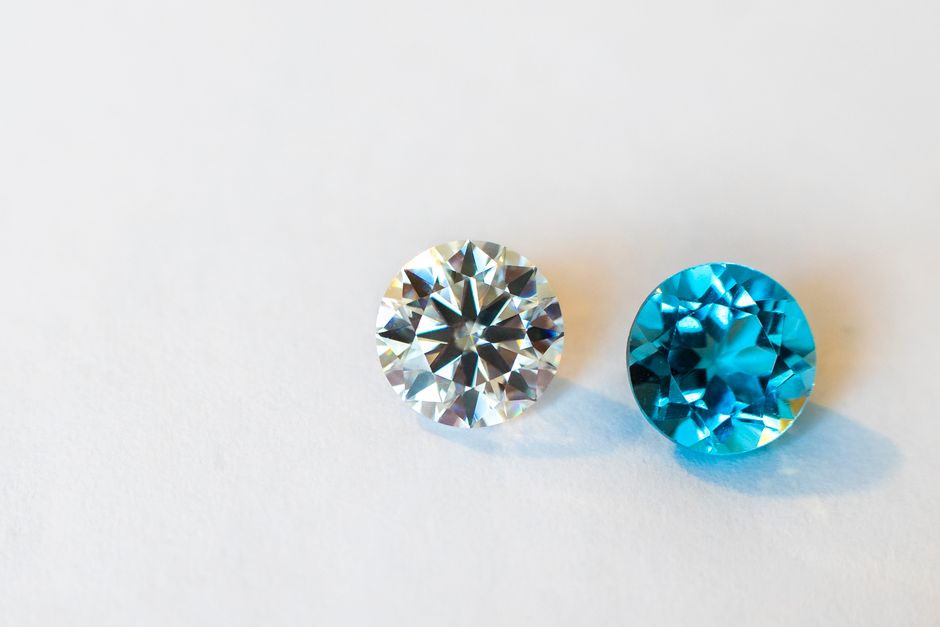
If you have any questions about diamond reports, grading verification, or custom ring return policies, feel free to leave a comment below or reach out during your next jewellery consultation.