I still remember the first time I took my own child out for a ride. I had the seat perfectly mounted, the bolts torqued to spec, and a diaper bag stuffed so full it looked like it was going to burst. I hoisted that bag onto my back, swung my leg over my bike, and immediately felt the entire center of gravity shift. The bike felt "twitchy," the steering was heavy, and I realized then that while I had prepared the bike for the passenger, I had completely neglected the physics of the cargo.
If you are currently figuring out the best way to manage your diaper bag while using a child seat, take a breath. It’s a common challenge. Let me tell you about a situation I encountered made a mistake that cost them thousands.. Balancing the needs of an infant or toddler with the practicalities of commuting or recreational riding is a skill, and like any skill, it’s best approached with a little bit of mechanics and a lot of common sense. Let’s look at how to do this safely without compromising your ride.
Developmental Readiness: More Than Just an Age
Before we talk about gear, we have to talk about the passenger. I see a lot of advice online suggesting specific ages for when a child is "ready" to ride in a seat, but age is just a number. What truly matters is neck control.
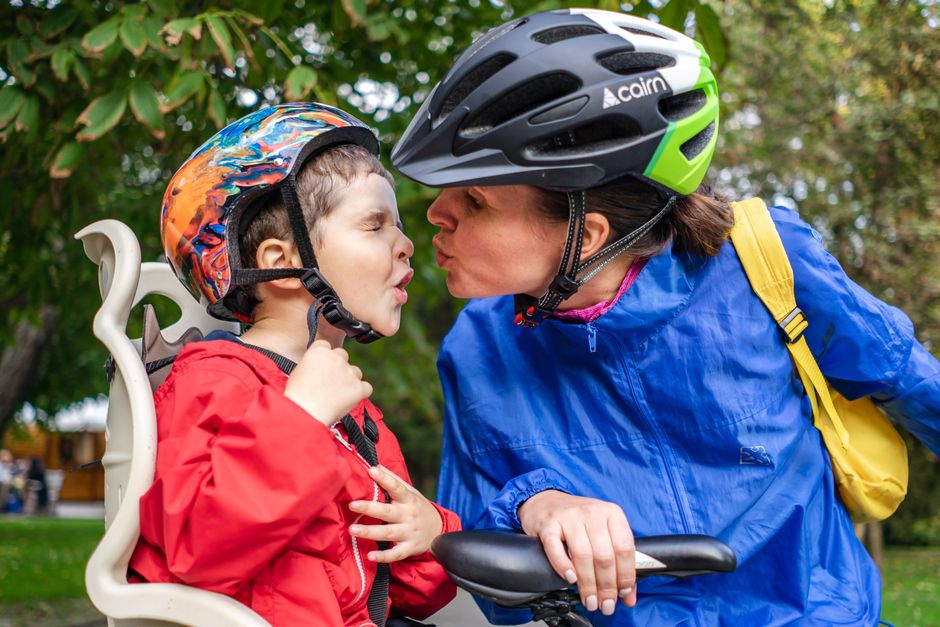
Your child needs to be able to hold their head up—stably and for extended periods—while wearing a helmet. A helmet adds significant weight to a child's head, which can be taxing on their neck muscles during the inevitable vibrations and bumps of a bike ride. If your child cannot comfortably support their head weight plus the weight of a helmet, they are not ready for a seat-mounted carrier, regardless of what the box says. Always prioritize physical development over arbitrary age milestones.

Understanding Weight Distribution on the Bike
When you bolt a child seat to your bike, you are fundamentally changing how the bicycle handles. A seat mounted to the rear frame or seat post moves the weight of your passenger behind the rear axle. This makes the front of the bike lighter and the rear more prone to "fish-tailing."
When you add a heavy diaper bag to the mix, where you place that weight matters immensely.
The Problem with Backpacks
Many parents reach for a backpack to carry their diaper bag essentials. While it seems convenient, carrying a heavy backpack while riding with a child seat is one of the quickest ways to compromise your own stability. By wearing the weight on your back, you shift your own center of gravity higher and further back, exactly where the bike is already struggling for balance. This can make tight turns feel precarious and cause you to fatigue much faster.. Anyway,
Panniers: The Stable Solution
If you want the best handling, move the weight off your body and onto the frame of the bike. Panniers (saddlebags that attach to a rack) are the gold standard for carrying gear. By keeping the load low and centered over the rear wheel, you maintain a predictable handling profile. The lower the weight sits, the less it will interfere with your balance.
Comparison of Carrying Methods
Method Impact on Balance Practicality Backpack High (Shifts rider's center of gravity) High (Easy to carry off-bike) Panniers Low (Weight kept near axles) Moderate (Requires a rack) Front Basket/Rack Moderate (Lightens rear load) Moderate (Can affect steering) Handlebar Bag High (Affects steering sensitivity) High (Easy access)The "Two-Click" Safety Checklist
As someone who spent over a decade in a bike shop, I have a ritual. I call it the "two-click" check. Before every single ride, I visualize the buckles. It’s not just about snapping them in; it’s about ensuring they are locked and that the tension is correct. I’ve seen enough loose straps to know that "clicked" doesn't always mean "secure."
The Helmet Fit Step
Want to know something interesting? please, do not skip this. I’ve seen parents put a helmet on their child that is sitting way back on the forehead, leaving the entire frontal lobe exposed. The helmet should sit level, about two finger-widths above the eyebrows. When you pull on the straps, there should be almost no slack. If the helmet can slide around on the child's head, it’s useless in a fall.
Alternatives: Trailers and Cargo Bikes
If you find that your bike handles poorly with a seat-mounted child, or if you simply have too much gear to pack into panniers, it might be time to look at alternatives.
Trailers: A trailer keeps the weight of the child and the gear completely separate from the bicycle's frame. You’ll feel the weight when you accelerate, but the bike’s steering will remain natural. Furthermore, trailers have dedicated storage space behind the seat for all the wipes, bottles, and spare clothes you could ever need. Cargo Bikes: If you are doing a lot of family commuting, a cargo bike is a game-changer. Whether it’s a "longtail" style with a heavy-duty rear rack or a "box bike" where the child sits in front of you, these bikes are engineered specifically to handle the extra load of a passenger and cargo without sacrificing safety or stability.Practical Tips for the Road
- Distribute the Load: If you use panniers, try to balance the weight between the left and right sides. An unbalanced load will pull your bike to one side, which is exhausting over a long ride. The "Junk Drawer" Toolkit: Keep a multi-tool or a small torque key in a dedicated spot on your bike (or in your bag). Check your rack bolts periodically. Vibration will loosen them over time, and nothing is worse than realizing your cargo rack is wobbling halfway to your destination. Keep Gear Minimal: You don't need the whole nursery on the bike. Treat your "bike diaper bag" as a separate, lightened version of your daily bag. Pack only the essentials: diapers, wipes, a change of clothes, and a bottle. Leave the heavy toys and unnecessary gadgets at home. Practice in a Quiet Area: Before you head onto busy streets, do a "test loop" in a park or an empty parking lot. Load your bike exactly as you plan to ride it, and get a feel for how the brakes respond. You will need more distance to stop than you are used to—respect that extra stopping distance.
Final Thoughts: Don't Overcomplicate It
It is easy to get caught up in the jargon of cycling—the weight of this, the center of gravity of that—but remember that the goal is simply to get out and enjoy the ride with your child. The best system is one that you can set up quickly, trust completely, and use consistently.
My advice? Start simple. If you have a rear rack, invest in a pair of simple panniers. Keep your weight low, check your buckles twice, and ensure your child’s helmet is snug before you leave the driveway. And remember, every time you add that passenger, you are riding a different bike than the one you ride solo. Stay alert, keep your pace manageable, and enjoy the wind in your hair. You’ve got this.