As a Pilates instructor and studio manager with over 11 years of experience, one of the questions I get asked most frequently is whether streaming services like Apple Music or Spotify can be used for background music in a studio setting. Music plays an essential role in enhancing the workout experience, improving concentration, and setting the pace during classes. However, it’s crucial to ensure that the way you source and play music is legally compliant and considerate of the health of both instructors and clients.
Music as a Background Tool, Not the Star
In Pilates and similar fitness classes, music isn’t meant to overshadow instruction but to support the flow and focus of the class. The music sets the tempo, cues transitions, and helps maintain energy levels without distracting from the instructor’s https://bizzmarkblog.com/best-genres-for-pilates-music-that-stay-in-the-background/ voice or the voice over music 10 dB participants’ movements.
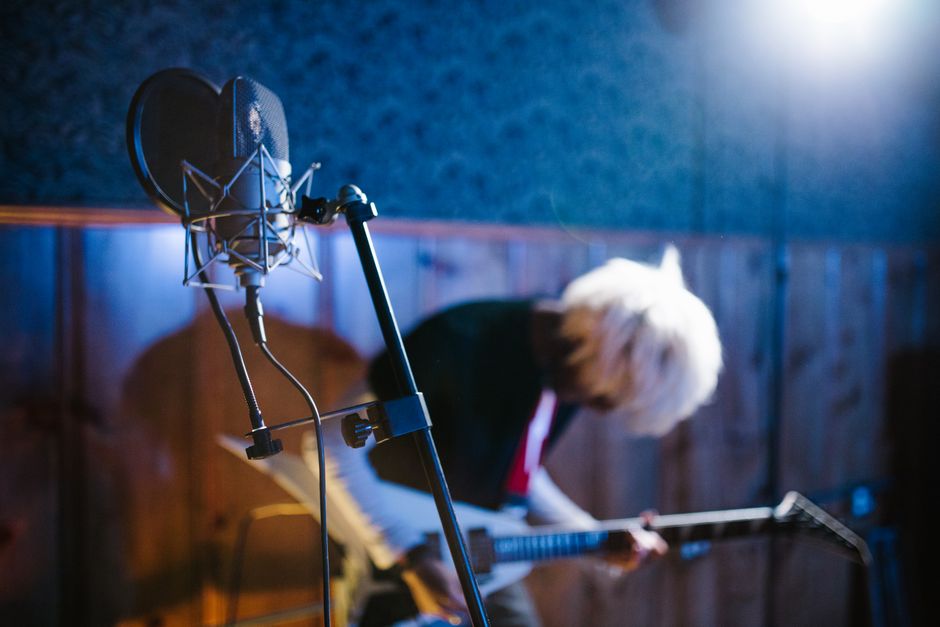
To achieve this balance, instructors often implement several best practices:
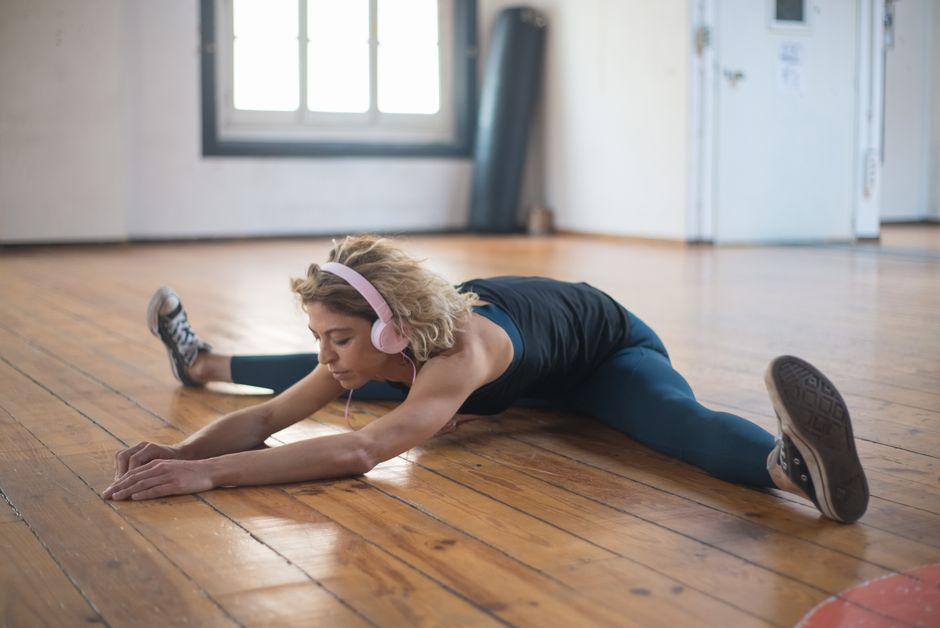
- Volume Control: Keep the volume at a safe level that allows you to be clearly heard without yelling or straining your voice. Music Selection: Choose tracks that correlate with the specific pace and energy of the class type. Lyric Considerations: For cue-based classes, instrumental music or tracks with minimal lyrics are preferred to minimize confusion.
Understanding the Legal Side: Studio Music Legalities and Public Performance Licenses
Before jumping into which music streaming service to use, it’s important to cover the legal framework surrounding music played in a public or commercial space like your Pilates studio. When you play music in a commercial environment, it’s generally considered a public performance. This requires having appropriate licensing to legally use that music.
Here’s a quick breakdown:
- Personal vs. Business Use: Streaming services like Apple Music and Spotify offer personal licenses only. Their terms explicitly prohibit the use of personal accounts for public or commercial settings. Public Performance Licenses: Businesses must obtain these licenses from performing rights organizations (PROs) like ASCAP, BMI, or SESAC in the United States. Consequences: Using personal streaming accounts in a studio without the proper license can result in fines and legal penalties.
Can You Use Apple Music for Business?
Apple Music is designed for personal listening and does not provide a public performance license. That means an Apple Music personal account cannot legally be used to play music for your Pilates or fitness studio. The same applies to Spotify using a personal account.
There are business-specific music services such as Soundtrack Your Brand and other licensed platforms that cater to commercial use, providing both music selection and the necessary licenses. Investing in a legitimate business-focused music solution protects your studio and supports artists.
Tempo Selection by Class Type: Why BPM Matters
A key part of my teaching philosophy involves tailoring tempo (beats per minute, BPM) specifically to the class format. Tempo sets the energy and rhythm and can affect how students perform movements, breathe, and remain focused.
Class Type Recommended BPM Range Examples Gentle Mat Pilates 60-80 BPM Instrumental, slow-paced ambient music Intermediate Reformer 85-100 BPM Smooth jazz, mellow electronic beats Advanced Cardio Pilates 100-130 BPM Upbeat instrumental or lyric-lite dance tunesWhen curating playlists, I always label tracks by BPM ranges instead of vague "vibes." This helps keep classes consistent. Sudden drops or surges in tempo disrupt flow and can cause safety issues, so I carefully avoid abrupt tempo changes in music selection.
Instrumental vs. Lyrics in Cue-Based Classes
Cue-based classes such as Pilates rely heavily on verbal instructions that need to be perfectly audible. Therefore, I enforce my studio’s “ no lyrics during footwork” rule. Lyrics can compete with your voice and confuse participants when they are trying to follow precise movement cues.
- Instrumental Tracks: These provide a clear, undistracted musical background allowing students to tune into your verbal instructions. Minimal Lyrics: If you choose songs with lyrics, make sure they are minimal, repetitive, and unobtrusive, mostly for less cue-heavy parts of the class.
This approach improves clarity, reduces instructor vocal strain, and makes the class feel inclusive for all students.
Volume Safety and Vocal Health for Instructors
One challenge many Pilates instructors face is balancing background music levels with speaking volumes. Overly loud music forces instructors to raise their voices repeatedly, leading to vocal fatigue and potential damage.
Here are some practical tips to safeguard your vocal health while maintaining an engaging music atmosphere:
Do the "Can I Speak Normally?" Test: Before starting each class, play your music at the set volume and try speaking to your clients without raising your voice. Adjust Speaker Placement: Position speakers so that music fills the room but does not blast directly at your teaching spot. Maintain Moderate Volumes: Keep background music levels around 50-60 decibels; loud enough to energize but not overpower. Use Quality Audio Equipment: Clear sound allows you to keep music levels lower without losing clarity or mood.Pricing Example: Investing in Your Studio's Heart Alignment
Many Pilates professionals invest in high-quality digital products to enrich their practice and studio offerings. For example, the Heart Alignment program is a comprehensive course priced at $49.00 USD. Such investments often come with suggested soundtrack files or licensing information to legally integrate music safely into your sessions.
When you factor in the cost of licensed business music platforms alongside these educational tools, you are making a sound investment in your professional brand and client experience.
Summary: Best Practices for Using Music in Your Studio
- Do not use personal Apple Music or Spotify accounts for business use. Instead, explore licensed commercial music services. Obtain Public Performance Licenses either directly or via a licensed service. Select music by BPM matched to your class type to maintain flow and safety. Prefer instrumental or minimal-lyric tracks during cue-heavy segments to avoid confusion. Keep volumes moderate to protect your vocal health and ensure clear instruction.
By respecting these principles, your Pilates studio can use music as a powerful yet subtle tool that elevates the class experience, keeps instructors healthy, and complies with all legal requirements.