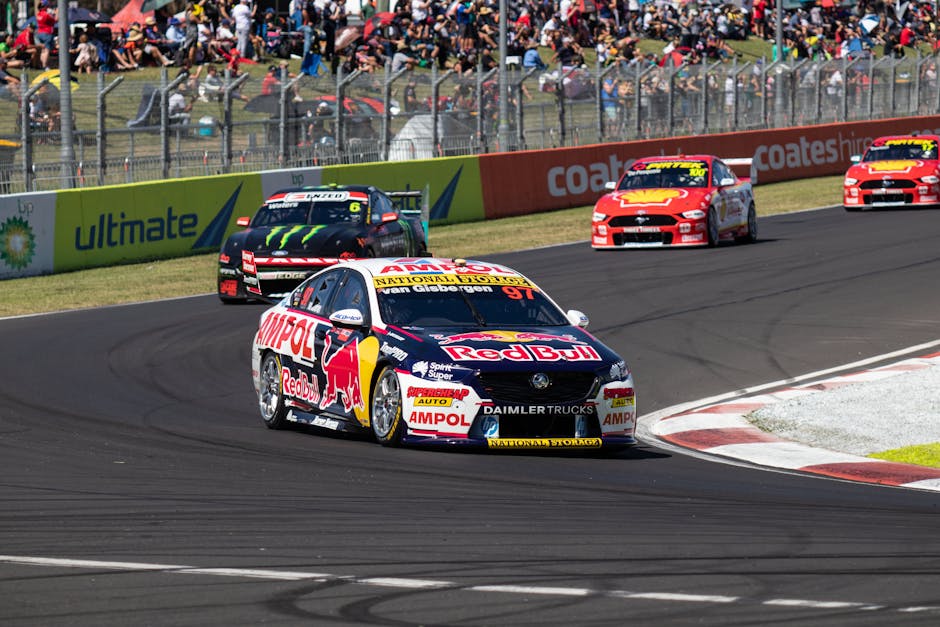
Every race weekend, motorsport fans dive headfirst into an ocean of updates, insights, and debates that percolate well before the lights go out on the grid. From race-week build-up news to the nonstop obsession with strategy, the modern race viewing experience is more detailed and data-driven than ever before. One feature that has become increasingly prominent—and contentious—in this sphere is the use of onboard cameras. But are these cameras genuinely enhancing the race viewing experience by plunging fans into the driver perspective, or are they just another distraction from the core action?
The Nonstop News Cycle and Race Week Build-Up
Platforms like Motorsport UK and media outlets including Frontstretch have transformed how fans engage with motorsport well before race day. The modern fan doesn’t just watch the race; they live the build-up. From official announcements, qualifying reports, and tire supplier updates to fuel strategy previews and weather predictions, the buzz builds nonstop.
During these critical days, analysis often hinges on hard numbers: tire wear rates per stint, fuel consumption windows, lap-by-lap telemetry, and even sector splits that determine where a driver is making up time. These details set the stage for how the race might unfold and give second-screen viewers a richer, faster way to follow the race’s story as it develops.
Strategy Obsession: Tires, Fuel, Weather, Pit Stops
Hardcore fans talk fuel windows, not just "fuel economy"; they parse sector splits more than lap times alone. Why? Because understanding when a driver can pit and how long their tire compound lasts under specific track temperatures can make or break race strategy. Weather, too, changes the calculus mid-race—unexpected rain showers or cooling track temperatures can force unscheduled stops.
Onboard cameras, when deployed skillfully, can bring new dimensions to this obsession. They offer a visceral, real-time look at pit stops, revealing nuances like how a tire changer’s split times affect overall stop length. Alternatively, onboard shots from the driver’s perspective during tricky weather conditions—such as navigating a damp corner or coping with reduced visibility—can illustrate the challenges behind raw timing data.
Data Culture and the Rise of Telemetry
The modern motorsport ecosystem brims with telemetry data, including:
- Real-time engine metrics Brake pressure and throttle application GPS-based positioning Sector split timing and lap time consistency
This creates a data-rich environment where broadcasters and fans alike dig through numbers on multiple live timing screens and dashboards. Onboard cameras complement this by adding a human, sensory element that raw data simply cannot convey.
What Onboard Cameras Bring to the Table
- Driver Perspective: Cameras placed inside the cockpit or on the helmet deliver immersive shots showing steering input, gear shifts, and the driver’s view of the track. Split View: Some broadcasts use multiple onboard cameras simultaneously—both inside and outside the car—allowing fans to toggle between angles, such as tire overheating visible from wheel cameras or rear-view shots showing chasing cars. Context to Data: When telemetry spikes or lap times drop, fans can switch to onboard shots to see what caused it—a missed apex, traffic, or an overtaking attempt.
Second-Screen Viewing and Immersive Broadcasts
For many fans, particularly those following on laptops, tablets, or mobile devices, onboard cameras are a powerful tool to deepen immersion. The second screen fills a specific role here: where the main broadcast might show an overhead or lead car shot, fans can simultaneously track live timing screens or select onboard cameras during high-tension moments, like pit entries or heavy battling corners.
Interactive broadcasts have become more common, helped by tech platforms akin to the gaming operators like MrQ, who understand the value of multi-angle viewing paired with live statistics. Motorsport broadcasts borrowing from this approach allow fans to customize their view—streaming onboard footage while monitoring fuel levels, tire degradation graphs, and live position changes in real time.
Potential Downsides: Are Onboard Cameras Distracting?
However, frontstretch.com onboard cameras are not without criticism:
- Overuse Can Disrupt Flow: Frequent cuts to onboard views might break the rhythm for viewers who prefer large-scale race visuals. Driver Distraction?: Some purists argue that visible onboard gear (like lights or HUD data overlays) can race fans to fixate on in-car data rather than racecraft. Technical Failures: Multiple onboard feeds may lag, suffer quality loss, or get lost during intense moments, frustrating second-screen fans expecting seamless switching.
Yet, in an age where multi-camera setups and data overlays are becoming the norm, skilled direction—whether by teams or broadcasters—can mitigate these issues. It’s less about if onboard cameras should exist, and more about how and when they’re used.
Case Studies: How Different Formats Leverage Onboard Cameras
Organizer/Broadcaster Onboard Camera Usage Fan Interaction Data Integration Motorsport UK (National Series) Multiple angles per car in live streams, pit stop POVs Live timing plus driver radio feeds on second screen Telemetry overlays with real-time tire and fuel data Frontstretch (NASCAR Media) Select moments use snake cam and driver cams, especially on restarts Chat-driven fan polls combined with sector split analysis Integration of live GPS data and pit stop efficiency charts MrQ (Esports & Interactive Streaming) Custom user-selected onboard views with player stats Gamified overlays updating in real time for viewer bets Full telemetry accessible on companion appsConclusion: Balance is Key for Race Viewing
In sum, onboard cameras offer undeniable benefits for fans who crave an immersive, data-driven race viewing experience. When paired with second-screen elements like live timing screens, radio chatter, and telemetry overlays, they move fans closer to the action and the decision-making processes behind it.
That said, there’s a fine line between immersion and distraction. Overloading broadcasts with constant cockpit views or multi-angle switches can overwhelm fans who prefer the big-picture race dynamics. The challenge for series organizers, media teams, and tech partners like MrQ, Motorsport UK, and Frontstretch lies in balancing onboard camera use with solid strategic storytelling and real-time data insights.
At the end of the day, for many fans, nothing beats the feeling of being "inside" the car—whether it's through a driver’s eyeline shot or the pit crew’s frantic tire change captured poolside—and onboard cameras are integral to delivering that perspective, as long as the broadcast respects the broader context of race flow and viewer preferences.